Your surgeon’s instructions come first
Many people want a clear date for getting back to the gym or the running track. The honest answer is that exercise after varicose vein treatment depends on what was done, how extensive it was and how your body heals. A single injection session for small veins is very different from removing several veins through small cuts.
Use this page as a general guide to what is common. The written instructions from the doctor who treated you override anything here. If your instructions and this page disagree, follow your doctor. For the wider picture of healing, see recovery after varicose vein treatment.
The first rule: keep walking
After almost every vein procedure, gentle walking is encouraged from the day of treatment. Walking works the calf muscles, which push blood along the deep veins, and that helps reduce the chance of a clot forming. Short, frequent walks are usually better than one long one. Lying around all day is typically discouraged unless you were told to rest.
Typical timelines by procedure
These are rough ranges, not promises. Clinics differ.
| Procedure | Walking | Light exercise | Strenuous exercise and sport |
|---|---|---|---|
| Sclerotherapy | Same day | Often within days | Often after several days to about two weeks |
| Endovenous ablation (laser or radiofrequency) | Same day | Often within a few days | Often after one to two weeks |
| Glue closure (VenaSeal) | Same day | Often within days | Often resumed sooner, but follow your doctor |
| Phlebectomy | Same day | After wound checks, often within days | Often after one to several weeks |
| Varicose vein surgery | As soon as comfortable | Often after a week or more | Often several weeks |
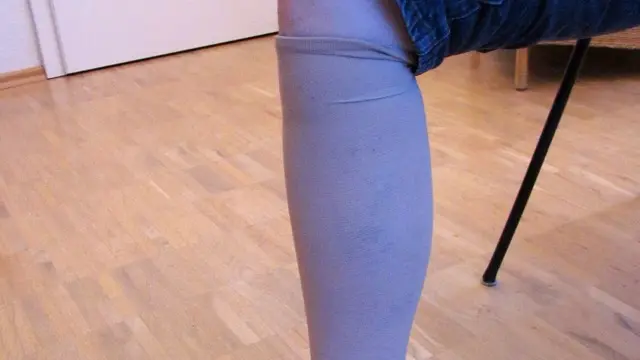
Compression is frequently part of the plan, and some people exercise in their stockings during the early period. Details are in the compression stockings guide and sclerotherapy aftercare.
When can I exercise after varicose vein treatment?
Think of it as a staged return:
- Day of treatment. Short walks. Rest your legs up when sitting.
- First few days. Increase the walking as you feel comfortable. Avoid heavy lifting and intense workouts. Light stretching is often fine.
- Around the first week. Many people add gentle cycling, light gym work or swimming (once any puncture sites or wounds have healed and your doctor agrees).
- Weeks two to four. Gradual return to running, classes and heavier lifting, if you feel comfortable and your surgeon agrees.
- Later. Contact sports and very high-impact training are often the last to return, particularly after surgery.
Listen to your legs. Mild tightness, bruising and tenderness along treated veins are common, and pushing through them is not wise. If a session leaves your leg more swollen, sore or bruised, scale back and tell your clinic.
When can I work out after varicose vein treatment?
For the gym specifically, the usual caution is about straining and heat:
- Heavy lifting and breath-holding raise pressure in the abdomen, so it is often avoided at first.
- Leg-day work such as squats, lunges and leg presses may need a longer wait than upper-body work, especially if wounds or bruised veins are in the thighs or calves.
- Hot environments such as saunas, steam rooms, hot yoga and very hot showers may be discouraged for a period, because heat widens veins and can affect healing.
- Water. Pools are often off limits until wounds are sealed.
Tropical climate adds one more point: outdoor runs in strong sun and humidity can leave legs more swollen. Cooler hours and shade are kinder to recovering legs.
Sports after vein treatment
Low-impact activities such as walking, cycling and swimming usually come back first. Running, ball sports and classes follow. Contact sports, martial arts and heavy weightlifting are commonly delayed longest because of the risk of knocks to treated or bruised areas. Your doctor can tailor advice if you are a competitive athlete or a regular marathon runner.
Work, travel and daily activity
- Work. Desk jobs are often manageable within a day or two. Physical or standing jobs may need modified duties for a short time.
- Driving. Usually fine once you are comfortable and can brake firmly; follow your doctor’s advice.
- Flying. Long flights increase clot risk, so check before booking travel in the early weeks. See standing, sitting and flying with varicose veins.
- Sitting or standing for long periods. Take regular breaks to walk and flex your ankles.
For general suggestions on being active before and after treatment, see exercises for varicose veins. If side effects trouble you, vein ablation side effects lists what is common.
Practical tips for a smooth return
- Ease in, do not leap. Restart at roughly half your usual volume and build up over a couple of weeks if your legs feel fine.
- Check the legs afterwards. Some mild tightness is normal, but swelling that is worse the next morning is a sign to slow down.
- Raise your legs. Resting with your feet up after a workout can reduce swelling.
- Stay hydrated and cool. Warm, humid weather makes legs swell more, so consider air-conditioned spaces for early sessions.
- Ask about stockings. Your doctor may want you to wear compression during or after exercise for a while; follow that advice rather than guessing.
- Mention your plans. If you train for events or have a physical job, tell the clinic in advance so the plan can reflect your routine.
Keep in mind that the right timeline for a friend or a forum poster may not match yours. Different veins, techniques and healing speeds all change the answer.
When to see a doctor
Contact your treating doctor if you have:
- pain, swelling or redness that is increasing rather than settling
- a hard, hot, very tender area along a treated vein
- fever, or discharge or spreading redness at a wound
- numbness or tingling that is not improving
- exercise that leaves you in much more pain than expected
Call 995 immediately if you develop a suddenly swollen, painful, warm one-sided leg, chest pain, breathlessness or you cough up blood. These can be signs of a blood clot and are emergencies. For more on clots, see blood clot in leg symptoms.
This page is general information and does not replace the advice of the doctor who treated you.
Frequently asked questions
When can I exercise after varicose vein treatment?
Gentle walking is usually advised straight away. Gym sessions, running and sport are often resumed in stages after several days to a few weeks, but it varies with the procedure, the number of veins treated and how you feel. Follow the instructions your surgeon gave you.
When can I work out after varicose vein treatment?
Many people return to light workouts within days to a week after a minimally invasive procedure and to heavier training after one to two weeks. Surgery or larger vein removal may need longer. Ask your own doctor for a timeline that fits your procedure.
Can I run or play sport after vein treatment?
Usually yes, once your surgeon says it is fine. High-impact and contact sports are often among the last things to restart, while walking, cycling or swimming may come sooner. Swimming is generally delayed until puncture sites have healed.
Can I go back to work after vein treatment?
Many people with desk-based jobs return within a day or two. Physical jobs, heavy lifting or work that involves long standing may need a short break or lighter duties. Your doctor can advise on this.
Is it safe to fly after vein treatment?
Long flights raise the risk of clots, and that matters more in the early weeks after a procedure. Ask your doctor before you book, and move, drink water and wear compression on any long trip if advised.
Sources and further reading
This article is general information, not personal medical advice. Please speak to a doctor about your own symptoms. How we create our content.