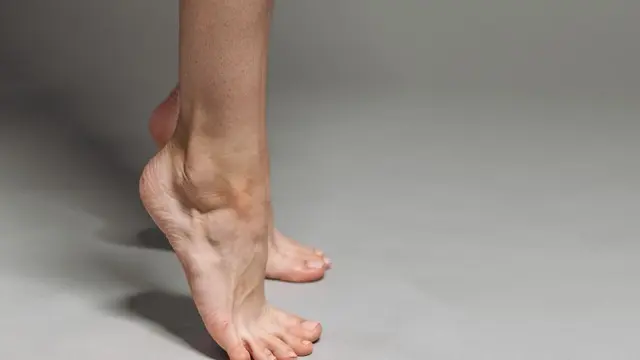
Standing all day and varicose veins: what we know
Many people in Singapore spend long hours on their feet: hawkers, retail and F&B staff, nurses, teachers, hairdressers, security guards and factory workers. If that is you and you have noticed aching, heavy or swollen legs, it is natural to ask whether standing all day varicose veins are connected.
The honest answer is that the link is real but not simple. Studies of people in standing occupations tend to find more leg swelling, heaviness and visible veins. But it is hard to prove that standing alone causes varicose veins, because age, family history, pregnancies and weight also play a part. The most reasonable summary is that long periods of standing still can bring out or worsen symptoms, and may add to risk in people who are already prone.
Why would standing matter? Your leg veins rely on one-way valves and on the squeezing action of your calf muscles to push blood uphill to the heart. When you stand without moving, the calf muscles are not working as a pump, so blood pools in the lower legs and pressure inside the veins rises. For a more complete explanation of the condition itself, see varicose veins: symptoms, causes and risk factors.
Jobs that cause varicose veins
No job directly causes varicose veins, but some make symptoms more likely. Roles often mentioned include:
- hawker stall holders, cooks and kitchen staff
- retail assistants, cashiers and waiters
- nurses, doctors and other healthcare workers
- teachers and lecturers
- hairdressers and beauticians
- security and front-of-house staff
- factory, construction and warehouse workers
- drivers and desk-based office workers
The common thread is staying in one position for hours. That includes the last group: the evidence suggests that sitting still can be as hard on legs as standing still.
Sitting all day and standing desks
Sitting can feel like the restful option, but sitting all day varicose veins and swelling often go hand in hand. With the knees bent, blood flow from the legs is a little slower, and your calf muscles are mostly idle. Crossing your legs, perching on the edge of a chair or sitting with a tight waistband can add to discomfort, though these habits are not proven to cause varicose veins.
A standing desk is often suggested as the fix, but it is not a magic answer. Standing still for hours replaces one problem with another. A better pattern looks like this:
- alternate sitting and standing through the day
- walk for a few minutes every 30 to 60 minutes
- use a small footrest and shift your weight from foot to foot
- do heel raises or ankle circles while on calls
- avoid wearing shoes that are tight or unsupportive
Whether standing desk varicose veins symptoms improve will depend largely on how much you actually move, not on the desk itself.
Flying with varicose veins
For many people from Singapore, a trip to Europe, Australia or the US means flights of 8 to 17 hours. Can flying make varicose veins worse? It does not cause them. But a long flight combines several things that bother leg veins: sitting for hours with bent knees, limited space, dry cabin air and, often, less drinking than usual. Many travellers notice ankle swelling and heavy legs when they land, and people with varicose veins may notice it more.
Some practical points:
- Walk when you can. Stand up and walk the aisle regularly when the seatbelt sign is off.
- Exercise your calves in your seat. Point and flex your feet, circle the ankles and press your heels down.
- Choose an aisle seat if you can, so it is easier to get up.
- Drink water and limit alcohol.
- Avoid tight clothing around the waist, thighs and knees.
- Consider compression stockings. Many people with varicose veins find that well-fitted travel or medical-grade stockings reduce swelling and aching on long flights. See our compression stockings guide for fitting basics.
Long journeys also carry a small but separate chance of deep vein thrombosis (DVT), where a clot forms in a deep leg vein. Varicose veins themselves are not the same as DVT, and they are not usually the reason for the risk, but certain situations raise it, such as recent surgery, pregnancy, a previous clot or cancer. That topic has its own page: see how to prevent DVT. If you have had a clot, are pregnant or have recently had surgery, speak to a doctor before a long trip.
Everyday habits that protect your legs
Whatever your job, these habits help most:
- Keep moving. Even short walks and calf raises count.
- Raise your legs. At the end of the day, lie down with your feet above hip level for 15 to 20 minutes.
- Stay at a healthy weight. Extra weight puts more pressure on leg veins.
- Choose supportive footwear. Comfortable shoes with cushioning are better for long shifts than flat, hard soles.
- Consider compression stockings if your legs ache or swell during a shift. A healthcare professional can advise on the right strength and size. See also compression socks for varicose veins.
- Stay cool. Hot kitchens and warm weather can worsen swelling. Our page on swollen legs in hot weather covers this.
These measures do not remove existing varicose veins, but they can reduce symptoms and may slow progression. Our guide to how to prevent varicose veins puts them in context.
When to see a doctor
Speak to a doctor if you have:
- aching, heavy or swollen legs that do not improve with the steps above
- visible bulging veins that are growing or painful
- skin changes around the ankles, such as darkening, itching, eczema or a sore that is slow to heal
- a hard, tender lump along a vein
Seek urgent medical attention if one leg becomes suddenly swollen, painful, red or warm. See swelling in one leg for more detail. Call 995 or go to an emergency department if you have chest pain, sudden breathlessness or you cough up blood, especially after a long journey or surgery.
If you are not sure whether your symptoms are significant, the vein check tool can help you decide your next step, and finding a vein specialist explains what to look for in an assessment.
This page is general education and not a diagnosis or a substitute for personal medical advice.
Frequently asked questions
Does standing all day cause varicose veins?
Research suggests that jobs involving long hours of standing are linked with more vein problems, but it is hard to separate the job from other factors such as family history and age. Standing still lets blood pool in the legs, which can bring on aching and swelling and may add to risk in people who are already prone. It is not the sole cause.
Which jobs are linked with varicose veins?
Jobs with long periods of standing or sitting still are most often mentioned, including hawker and retail work, hairdressing, nursing, teaching, factory and kitchen work, security and desk-based office roles. It is the lack of leg movement that matters rather than the job title.
Is sitting all day as bad as standing all day for varicose veins?
Both can leave blood and fluid pooling in the legs. Long sitting, particularly with the legs bent or crossed, has also been linked with swelling and heaviness. The best approach is to change position often and walk regularly.
Is a standing desk good for varicose veins?
A standing desk can break up sitting time, but standing still for hours can bring the same problems. Alternate between sitting and standing, and add short walks. Using a footrest and shifting your weight helps.
Can flying make varicose veins worse?
A long flight will not create varicose veins, but cabin conditions and sitting for hours can make existing ones ache and swell. Moving about the cabin, doing calf exercises and wearing well-fitted compression stockings if advised can help. If you have had a clot before or are at higher risk, speak to a doctor before you travel.
Sources and further reading
This article is general information, not personal medical advice. Please speak to a doctor about your own symptoms. How we create our content.