Do compression socks work for varicose veins?
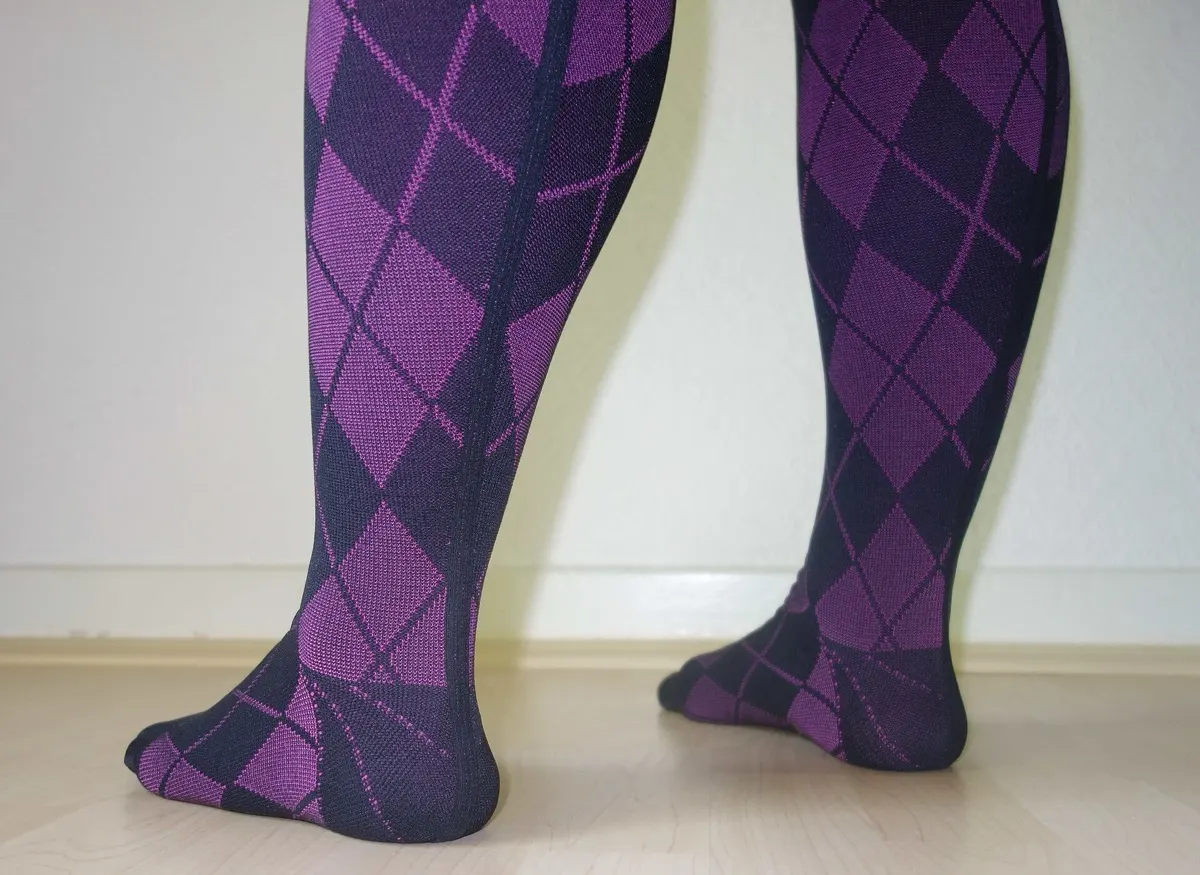
Many people with varicose veins reach for compression socks for varicose veins first. It is a sensible step. Graduated compression squeezes the leg, with the most pressure at the ankle, and helps blood travel back up towards the heart instead of pooling. For many people this eases aching, heaviness and swelling.
What socks cannot do is repair the faulty valves that cause varicose veins. The veins remain once the socks come off. They manage symptoms; they do not treat the cause. For a broader explanation of how stockings work, strengths and lengths, read our medical compression stockings guide.
Support socks vs medical compression
You will see many names in shops and online: support socks for varicose veins, elastic stockings for varicose veins, medical stockings. They are not always the same thing.
- Medical compression socks and stockings are graduated, made to a pressure standard and labelled with a rating in mmHg.
- Support socks or support hose can be anything from properly graduated products to ordinary snug socks with no measured pressure.
- Elastic bandages and tubular sleeves are different again and often apply uneven pressure.
If your goal is relief from varicose vein symptoms, choose a product with a stated mmHg rating and a graduated design. If a label does not say what pressure it gives, you cannot know what you are getting.
Which strength should you choose?
Compression levels vary slightly between countries. As a rough guide:
| Level | Approximate pressure | Often used for |
|---|---|---|
| Light | about 14 to 17 mmHg | Tired legs, long flights, prevention |
| Medium | about 18 to 24 mmHg | Mild to moderate varicose veins with symptoms |
| Firm | about 25 to 35 mmHg | More advanced disease, marked swelling, venous insufficiency |
Higher pressure is not automatically better. If it is too firm for you, it can be hard to put on, uncomfortable, and more likely to be abandoned. A professional can match the level to your diagnosis.
Socks for chronic venous insufficiency
If you have swelling, skin changes or an ulcer, you may have chronic venous insufficiency rather than isolated varicose veins. Compression socks for venous insufficiency are usually a firmer level and fitted more carefully. This is an area where proper assessment really matters. See our overview of chronic venous insufficiency to learn more.
Getting the fit right
Poorly fitting socks cause most of the complaints about compression. Tips:
- Measure in the morning, when swelling is lowest. Ankle and calf circumference decide size, not shoe size.
- Choose the right length. Knee-high socks are enough for most people with varicose veins in the lower leg.
- Put them on before you get out of bed or soon after, smoothing out wrinkles.
- Check your skin daily for redness, marks or blisters.
- Replace them regularly. The elastic loses strength, so socks worn every day typically need replacing every few months.
- Wash as directed and avoid fabric softener, which can damage the fibres.
In Singapore’s heat, look for breathable fabrics, and consider wearing them mainly during the day when you are on your feet. Readers in Malaysia and the Philippines can follow the same principles, but check the pressure standard used on the packaging, as these vary by region.
Who should be careful?
Speak to a doctor before using compression if you have:
- Reduced circulation in the legs (peripheral arterial disease)
- Diabetes with numb feet
- Severe heart failure
- Fragile or infected skin, or an open wound
- A known allergy to the material
Are socks enough?
For some people with mild symptoms, yes. Socks, walking, elevating your legs and a healthy weight can be a perfectly reasonable long-term plan (see how to prevent varicose veins). But NICE guidance (CG168) advises referring people with symptomatic varicose veins, skin changes or ulcers for assessment, and offering a procedure where suitable, rather than relying on compression alone. Socks may bridge the time before treatment, but they do not replace it. Our page on varicose vein treatments compared explains the options.
If you want to know more about choosing socks for your veins, this practical page on compression stockings for varicose veins is a useful companion read. Be wary of myths too; our varicose vein myths article fact-checks common claims.
Everyday tips for wearing socks comfortably
- Wear them when you are on your feet most, such as on work days or long flights, if you do not want to wear them all day.
- Pair them with movement. Compression helps the calf pump, so walking while wearing socks works better than sitting still.
- Have a spare pair so one can be washed and dried while you wear the other.
- Take them off at night unless a clinician tells you otherwise.
- Do not roll them down. A rolled top acts like a tight band and can restrict blood flow.
Many people find that socks work best as part of a plan that also includes walking, leg elevation and, where appropriate, treatment of the leaking vein.
When to see a doctor
Book an assessment if:
- Your legs still ache or swell despite wearing compression
- The skin near the ankle is darkening, itchy, dry or hard
- You have a sore on the lower leg that is slow to heal
- A vein has bled or become red, hard and tender
- Socks cause pain, numbness or skin damage
- You are unsure which type or strength is right for you
Try our vein symptom check, or see how to find a vein specialist.
When it’s an emergency: sudden pain, swelling, warmth or redness in one leg can be a blood clot. Do not rely on compression socks. If you also have breathlessness, chest pain or cough up blood, call 995 or go to the nearest emergency department straight away.
Frequently asked questions
Do compression socks help varicose veins?
They can help the symptoms. Many people find aching, heaviness and ankle swelling improve while wearing them. They do not close or remove the varicose veins, and the veins usually look the same once the socks come off.
Are support socks the same as compression socks for varicose veins?
Not always. "Support socks" is a loose term. Some are just snug socks with no measured pressure. Medical compression socks are graduated and carry a pressure rating in mmHg. If you want something for varicose veins, check the label for a rating and ask for professional advice.
Which compression level is best for varicose veins?
Many people with mild to moderate varicose veins use a medium level of around 18 to 24 mmHg, and firmer levels are used for more advanced disease. There is no single best level, so get advice based on your own legs.
Can compression socks prevent varicose veins from getting worse?
Evidence that they stop varicose veins from developing or progressing is limited. They are best seen as a way to ease symptoms. Staying active and managing weight also matter.
Can compression socks be used for venous insufficiency?
Yes. Compression is a standard part of managing chronic venous insufficiency, often at a firmer level, and it is important if the skin has changed or there is an ulcer. This should be guided by a clinician.
Sources and further reading
This article is general information, not personal medical advice. Please speak to a doctor about your own symptoms. How we create our content.