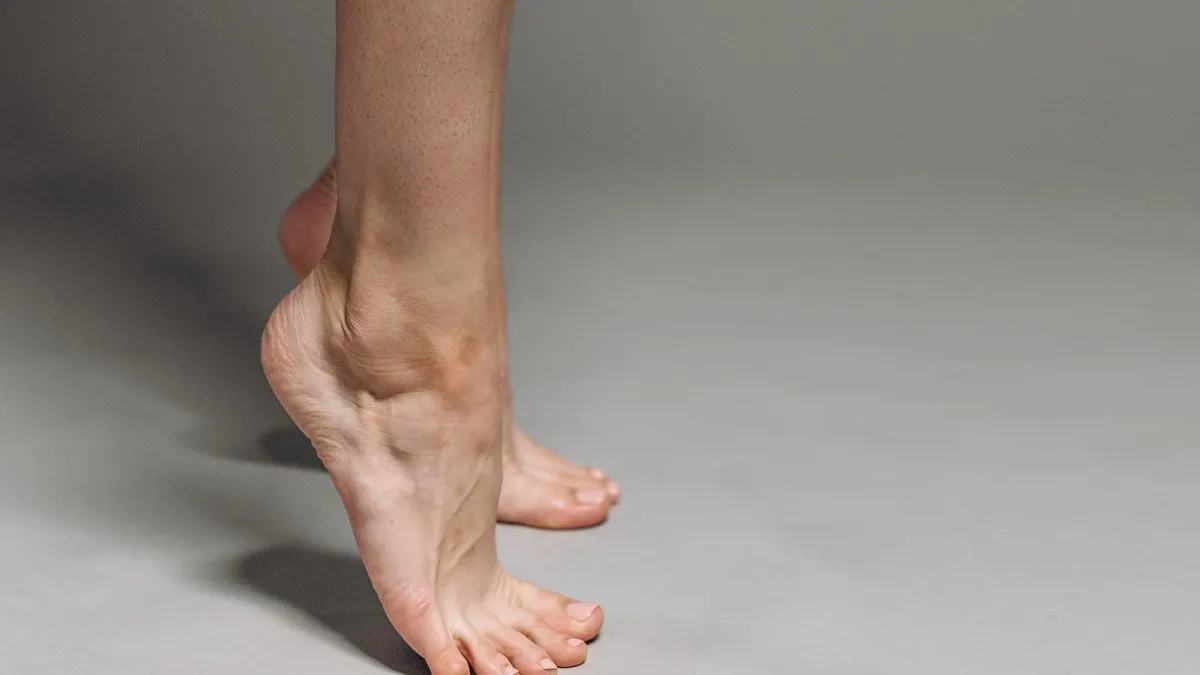
Why exercise matters for your veins
If you have varicose veins, regular movement is one of the easiest things you can do for your legs. The reason is the calf muscle pump. Each time you flex your ankle or take a step, the calf muscles squeeze the deep veins and push blood upwards. Valves in the veins hold the blood in place between squeezes. When some valves are faulty, as in varicose veins, a strong, regular pump helps limit how much blood pools in the lower leg.
The honest limits are worth stating up front. Exercises for varicose veins can ease aching, heaviness and swelling, and they support general health and a healthy weight. They cannot repair damaged valves or make bulging veins vanish. For that conversation, see can varicose veins be reversed? and our overview of varicose veins.
Exercise is also a part of wider prevention. Our guide to how to prevent varicose veins covers other habits.
Can you exercise with varicose veins?
For most people, yes. The NHS advises that staying active is a helpful self-care step for varicose veins. A few cautions apply:
- Start gently if you have not been active, and build up slowly.
- Wearing well-fitted compression stockings during exercise can help some people feel more comfortable. See our compression stockings guide.
- Stop and get advice if a vein becomes hard, red, hot or painful, or if one leg swells suddenly.
- If you have had a blood clot, a leg ulcer, heart or circulation problems, or have recently had a vein procedure, ask your doctor what is suitable. After a procedure, the surgeon’s instructions come first; see exercise and activity after vein treatment.
Simple calf-pump exercises
These can be done at a desk, on a flight or in front of the TV. They are general suggestions, not a prescribed programme.
| Exercise | How to do it | Suggested rhythm |
|---|---|---|
| Ankle pumps | Sitting or lying, point your toes away, then pull them back towards your shin | Smooth movements for a minute or two, several times a day |
| Heel raises | Standing and holding a support, rise onto your toes, pause, then lower slowly | A comfortable number of repetitions, a few times a day |
| Ankle circles | Sitting, lift one foot and draw slow circles with your toes, then switch direction and leg | About a minute per foot |
| Seated marching | Sitting, lift one knee and lower it, alternating legs | Short bursts every hour or so |
| Leg raises | Lying down, raise your legs above heart level against a wall or pillows and rest | Around 10 to 15 minutes when you feel swollen |
Aim for movement little and often rather than one long session. If an exercise hurts, stop. Doing a few minutes each hour is a practical goal for people with desk jobs; see standing, sitting and flying with varicose veins.
Walking for varicose veins
Walking is the simplest option and often the best place to start. Each step uses the calf pump, it is low impact, and it needs no equipment. Many people find that a brisk walk of 20 to 30 minutes on most days is a realistic target, though any amount helps. In Singapore’s heat and humidity, indoor options such as mall walking, covered walkways or early-morning and evening walks can be more comfortable. Heat can make legs swell more; see heat, humidity and your veins.
Choose supportive, comfortable shoes. Standing still for long periods tends to be harder on the legs than walking, so a walk is better than waiting in a queue.
Swimming, cycling and other gentle activities
- Swimming and water exercise. Water pressure gently supports the legs, and kicking works the calves. Many people with swollen legs find it comfortable. Very hot pools may be less comfortable.
- Cycling. Pedalling uses the calf and thigh muscles without impact, whether on a bike or a stationary cycle.
- Yoga and stretching. Gentle stretching and some poses that raise the legs can feel good. Avoid positions that cause pain.
- Elliptical trainers and low-impact classes. These offer a steady workout with less jarring.
Running with varicose veins and other high-impact exercise
There is no strong evidence that running causes varicose veins or makes them worse. Many people with varicose veins run without trouble. Others notice more aching or swelling after high-impact exercise, particularly in hot weather. If that is you, shorter sessions, a softer surface, compression and elevating your legs afterwards may help. If you notice pain, hardness or redness along a vein, stop and see a doctor.
What to avoid or be careful with
- Long periods of stillness. Hours of sitting or standing without moving are linked with leg symptoms. Take regular movement breaks.
- Heavy straining. Very heavy lifting with breath-holding raises abdominal pressure. Moderate weights and steady breathing are more sensible. This is a precaution rather than a proven cause of varicose veins.
- Overheating. Hot yoga, saunas and very hot baths can make legs feel heavier and more swollen for some people.
- Tight clothing around the groin or waist. These may impede blood flow in some people; see high heels, tight clothes and veins.
- Pushing through pain. Discomfort that builds up or sharp pain is a signal to stop.
When exercise is not enough
Exercise cannot close faulty veins. If you have symptoms that affect daily life, or skin changes near the ankle, treatment may be worth discussing. See varicose vein treatments compared. For leg swelling, see how to reduce leg and ankle swelling.
When to see a doctor
See a doctor if you have:
- a painful, hard, red or hot area along a vein
- swelling that is worsening, or skin that is darkening, itching or breaking down
- aching or cramping that stops you exercising
- a sore on the leg or ankle that is not healing
- bleeding from a vein
Our vein check tool can help you organise your symptoms before an appointment, and finding a vein specialist explains what kind of doctor to look for.
Call 995 immediately if you have sudden chest pain, breathlessness, coughing up blood, or a suddenly swollen, painful one-sided leg. These may signal a blood clot and need emergency care.
This is general education only. Please ask a doctor who knows your health history before starting a new exercise programme.
Frequently asked questions
Can you exercise with varicose veins?
In most cases, yes. Regular activity is generally encouraged because it helps blood flow and supports a healthy weight. If an exercise causes sharp pain, or a vein becomes hot, red or swollen, stop and ask a doctor.
What is the best exercise for varicose veins?
No single exercise is proven best. Activities that use the calf muscles repeatedly, such as walking, cycling, swimming and ankle pumps, are sensible choices, and the best one is the one you can do regularly.
Is walking good for varicose veins?
Yes. Each step squeezes the calf muscles, which helps push blood up the leg. Many people find a daily walk reduces aching and swelling, though it will not make the veins disappear.
Is running with varicose veins safe?
For many people it is fine, and there is no strong evidence that running causes or worsens varicose veins. Some find that high-impact exercise makes their legs ache more, and compression can help. If you have pain, swelling or skin changes, ask a doctor first.
Should I avoid weightlifting with varicose veins?
Not necessarily. Lifting is usually possible, but heavy lifting with breath-holding raises pressure in the abdomen, which may add strain on leg veins. Moderate loads, steady breathing and good form are sensible.
Sources and further reading
This article is general information, not personal medical advice. Please speak to a doctor about your own symptoms. How we create our content.