If you want to know how to get rid of swollen ankles fast, the most reliable steps are simple: raise your legs above heart level, move your calf muscles, avoid standing or sitting still, and look at what may be driving the swelling. Mild, two-sided swelling after a long day or a hot afternoon is common, and it usually settles with these measures. But swelling can also signal a problem that needs treatment, so this page also explains when quick home fixes are not enough.
Why ankles swell
Swelling, called oedema, happens when fluid collects in the tissues. Gravity pulls blood and fluid towards the feet when you stand or sit for long periods, and the calf muscles normally pump it back up. When that pump is inactive, or the veins are not working well, fluid builds up around the ankles. Hot weather, pregnancy, certain medicines and a high-salt diet can add to the effect.
Longer-term causes include chronic venous insufficiency, in which the vein valves leak, as well as heart, kidney, liver or thyroid conditions. We cover the full range on our page about leg swelling.
How to reduce swelling in legs quickly
These steps are safe for most people with mild swelling on both sides and no warning signs.
1. Elevate your legs
Lie down and prop your legs on pillows so your feet are above the level of your heart. Aim for around 20 to 30 minutes at a time, a few times a day. Simply putting your feet on a stool while sitting helps less, because your legs need to be higher than your heart for gravity to help drain the fluid.
2. Move your calf muscles
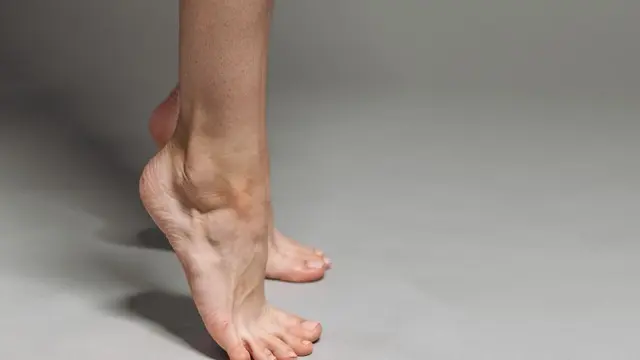
Your calves are the body’s pump for the leg veins. Flex and point your feet, rotate your ankles, do calf raises and take short walks. Even a few minutes helps when you have been still for a long time.
3. Take a walk
Gentle walking is one of the best ways to relieve swollen feet and ankles. If walking is hard, seated ankle pumps are a good alternative.
4. Loosen restrictive clothing
Tight socks, waistbands or garments around the thighs can limit the flow of blood and fluid. Choose loose, comfortable clothing and shoes with space for swollen feet.
5. Cool the area
A cool shower or cool compress can feel soothing, though it does not treat the cause. Avoid prolonged hot soaks if swelling is a problem, since heat widens the vessels and may worsen it.
6. Consider your salt intake
Very salty foods can make the body hold on to fluid. Cutting back on processed and heavily salted foods is often useful, particularly in a diet where hawker and restaurant meals are common.
How do you prevent swollen ankles?
Prevention works best when you tackle the daily habits behind swelling.
- Do not stay still. Stand up and move every hour if you sit for work, and shift your weight or walk if you stand for work.
- Stay active. Regular exercise strengthens the calf pump.
- Keep a healthy weight. Extra weight puts pressure on leg veins.
- Choose supportive footwear. Comfortable shoes help, and very high heels reduce calf muscle action.
- Review your medicines. Some medicines can cause swelling. Never stop a prescribed medicine yourself. Ask your doctor.
- Treat underlying vein problems. If varicose veins or valve leaks are causing swelling, treatment can help. Our guide to venous insufficiency treatment explains the options.
For more habit-based tips, see how to prevent varicose veins, many of which also reduce swelling.
Compression and other aids
Graduated compression stockings are widely used for vein-related swelling. They need to be correctly fitted and are not suitable for everyone, for instance people with poor arterial circulation. A doctor can advise whether they are right for you. Our compression stockings guide explains how they work.
Avoid taking water tablets, herbal diuretics or supplements to “flush out” fluid unless a doctor has advised it. They can upset your body’s salt balance and do not fix the underlying cause.
When quick fixes are not enough
Home measures are for mild, harmless swelling. You should not keep trying them if the swelling:
- is only in one leg or one ankle;
- appeared suddenly or is getting worse;
- is painful, red, hot or tender;
- leaves a dent that stays when you press the skin;
- happens with breathlessness, chest discomfort, or tiredness;
- comes with skin changes, sores or leaking fluid.
Swelling in just one leg can be a sign of a deep vein clot, so read about swelling in one leg if that describes you. Painful veins are discussed in vein pain in the leg.
Everyday situations that cause swelling
Swollen feet and ankles after flying or long journeys
Sitting for hours slows blood return from the legs. Walk when you can, do seated ankle circles, wear loose shoes and avoid crossing your legs for long periods. Swelling should ease within a day. If one leg remains swollen, painful or discoloured after travel, get it checked, since long journeys are a known clot risk.
Swelling during hot weather
Heat widens the blood vessels, so fluid leaks into the tissues more easily. Staying in cool places, taking breaks to elevate your legs and keeping well hydrated usually helps.
Swelling in pregnancy
Mild ankle swelling is common in later pregnancy. Resting with legs raised and avoiding long periods of standing often help. Sudden swelling of the face and hands, severe headaches or vision changes need urgent medical review.
Swelling after standing all day
Jobs in retail, healthcare, hospitality and teaching can involve long hours on your feet. Shift weight, flex your calves, take short seated breaks with legs raised and consider asking a doctor about supportive stockings.
Swelling from medicines or salt
If swelling began after a new medicine, mention this to your doctor rather than stopping it yourself. A pattern of swelling after salty meals suggests diet may be playing a part.
When to see a doctor
See a doctor if swelling is persistent, keeps returning, affects one leg more than the other, or comes with pain, redness, warmth, skin changes or ulcers. Also seek advice if you are pregnant and swelling is sudden, or you have heart, kidney or liver disease and swelling is increasing. A doctor may examine your legs, check your heart, kidneys and medicines and arrange a vein scan.
Call 995 immediately if swelling comes with sudden shortness of breath, chest pain or coughing blood, as these can be signs of a clot in the lungs.
If your swelling is linked to visible veins, our vein check can help you prepare for an appointment.
This page is general education and not a substitute for personal medical advice.
Frequently asked questions
How can I reduce swollen ankles quickly at home?
Lie down and raise your legs above the level of your heart for a while, flex and point your feet, and take a walk if you are able. This helps fluid drain. If the swelling is mild and equal on both sides, this often helps within hours.
How do you prevent swollen ankles?
Stay active, avoid standing or sitting still for long periods, keep a healthy weight, moderate your salt intake, wear comfortable shoes and manage conditions such as heart, kidney or vein problems with your doctor.
Does drinking water reduce swelling?
Drinking enough fluid is healthy and can help in hot weather, but there is no guarantee it will reduce swelling. If swelling is persistent, look for the cause rather than cutting back on fluid unless a doctor advises it.
Is swollen ankles in one leg normal?
It can have harmless causes such as a sprain, but swelling in just one leg, especially if painful or sudden, can be a sign of a clot and should be checked quickly.
Should I take a water tablet for swollen ankles?
Only if a doctor has prescribed one for you. Diuretics can cause problems with salts and kidney function and do not treat the cause of the swelling.
Sources and further reading
This article is general information, not personal medical advice. Please speak to a doctor about your own symptoms. How we create our content.