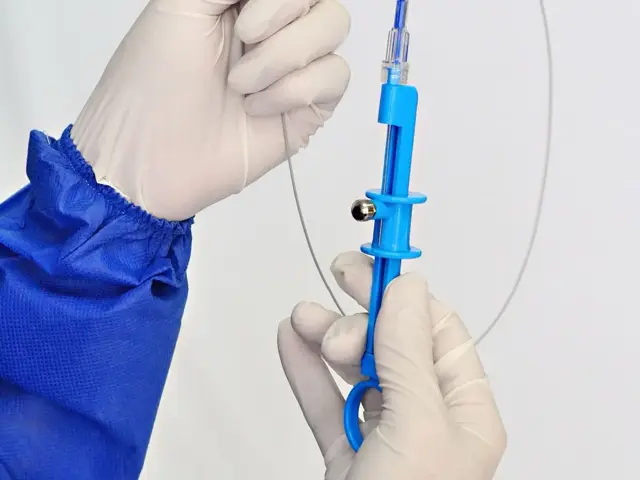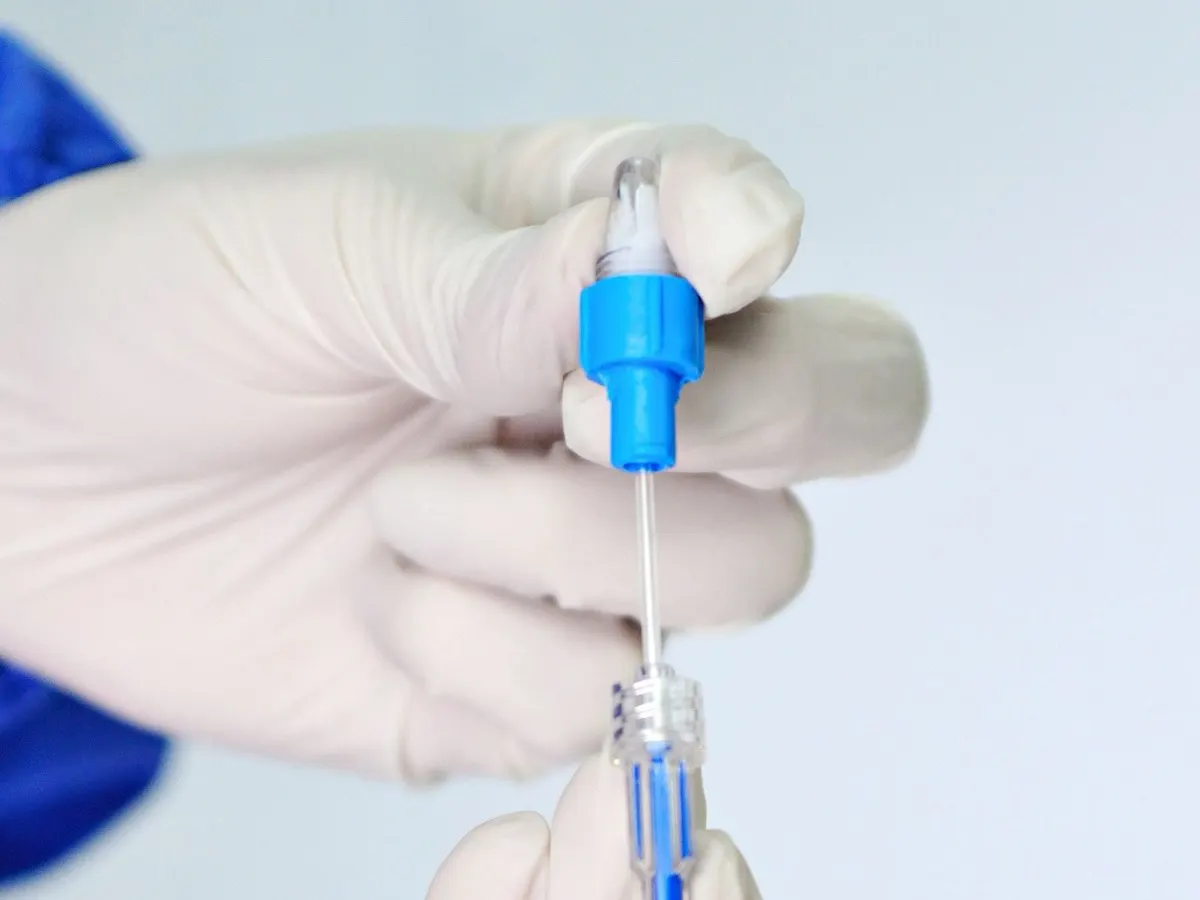
What is VenaSeal?
VenaSeal is a way of closing a leaking leg vein with a medical adhesive instead of heat. If you are asking what is VenaSeal, think of it as “vein glue”: a catheter carries a small amount of cyanoacrylate adhesive into the faulty vein, and the glue seals the walls together so blood can no longer flow backwards through it.
It is one of several options for treating venous reflux in the main saphenous veins. You can see how it sits alongside heat-based ablation, foam injections and surgery in varicose vein treatments compared. If you are new to the underlying condition, start with our varicose veins overview.
How VenaSeal works
Healthy veins have valves that keep blood moving toward the heart. When those valves fail in a main surface vein, blood leaks backwards, pressure rises, and varicose veins, aching and swelling can follow.
VenaSeal tackles the leak at its source. The glue triggers the vein wall to stick together, and compressing the vein while the glue sets holds it closed. Over weeks and months the closed vein is replaced by scar-like tissue, and blood is carried by healthy veins.
Because it does not use heat, it avoids the long tumescent anaesthetic injections along the leg that are needed to protect tissue during radiofrequency and laser ablation.
The VenaSeal procedure, step by step
The VenaSeal procedure is usually done in a clinic or day-surgery room under local anaesthetic:
- Ultrasound mapping. Your specialist confirms the vein to be treated.
- Local anaesthetic. A small area of skin is numbed at the entry point.
- Catheter placement. Using ultrasound, a catheter is guided into the vein.
- Glue delivery. The adhesive is delivered in small amounts along the length of the vein as the catheter is withdrawn.
- Compression with the ultrasound probe. Your specialist presses on the leg to hold the vein closed while the glue sets, usually for short periods at each point.
- Finish. The catheter is removed, a small dressing is applied and you can walk soon after.
Treatment times are usually short, and many people return to normal daily activities quickly, though your clinic will give specific advice. The general recovery pattern is covered in recovery after varicose vein treatment.
Who is VenaSeal suited to?
VenaSeal may suit people who:
- Have symptomatic reflux in the great or small saphenous vein confirmed on duplex ultrasound
- Want to avoid multiple injections of tumescent anaesthetic
- Find compression stockings difficult to wear or prefer to minimise them
- Have a vein that is straight enough and of suitable size for the catheter
It may be less suitable if you:
- Are allergic or sensitive to cyanoacrylate adhesives or have a history of reactions to similar materials
- Have an active infection or inflammation in the vein
- Have a very twisted or very large vein
- Are pregnant, or have had a recent clot in the veins, unless your specialist advises otherwise
Guidelines currently place heat-based endovenous ablation as the first-choice option for most people with trunk reflux. NICE CG168 and ESVS 2022 also recognise non-thermal, non-tumescent options and say the choice should reflect the patient’s anatomy, preferences and the clinician’s expertise. Ask your specialist why they recommend one method over another for you.
VenaSeal side effects and complications
Most people have only mild effects. VenaSeal side effects that are commonly reported include:
- A tender, firm or red area along the treated vein
- Mild bruising or soreness
- Itching or tightness in the days afterwards
The best-known issue is a local inflammatory reaction (phlebitis) caused by the body reacting to the glue. It can be uncomfortable, and is often managed with simple measures your specialist will explain. Some patients develop a delayed reaction weeks later, with redness, itching and swelling along the vein. These reactions are usually treatable but should be assessed.
VenaSeal complications that are uncommon include:
- A more significant allergic-type reaction
- A blood clot extending from the treated vein toward the deep veins, which is why a follow-up scan is usually arranged
- The vein not closing completely, or reopening
- Infection at the entry site (rare)
- Skin pigmentation or numbness (less common than with heat methods)
Your specialist should go through these risks with you before you agree to the procedure. For symptoms that are worth reporting after any vein procedure, our guide to vein ablation lists the signs to watch.
VenaSeal vs radiofrequency ablation
The VenaSeal vs radiofrequency ablation question comes up often. In broad terms:
| VenaSeal | Radiofrequency ablation | |
|---|---|---|
| How it closes the vein | Adhesive | Heat |
| Tumescent injections | Not needed | Needed |
| Compression afterwards | Often less | Usually advised |
| Evidence base | Good, shorter follow-up | Very large, longer follow-up |
| Typical cost | Often higher | Often lower |
| Main concern | Glue-related inflammatory reaction | Heat-related bruising, nerve irritation |
Trials report high closure rates for both, so neither is “better” for everyone. Radiofrequency has the longer track record and is generally the guideline-preferred starting point. VenaSeal is a reasonable choice when avoiding heat and tumescent injections matters, and the vein is suitable. See vein ablation for how the heat-based methods work.
VenaSeal cost
VenaSeal cost differs between clinics and depends on how many veins are treated, the facility, the doctor’s fees and what the follow-up scans include. Glue-based closure often costs more than heat-based ablation because of the single-use glue kit. MediSave and insurance rules for varicose vein treatment apply in Singapore only when specific criteria are met, so confirm eligibility before you book. Our cost guide explains how it works, and the specialist can give you an estimate in writing.
For a short question-and-answer on the technique, this VenaSeal FAQ is a useful extra read.
When to see a doctor
See a doctor about your leg veins if you have aching, heaviness or swelling most days, skin changes around the ankle, a vein that has bled, or a sore that is not healing.
After a vein procedure, contact your treating team if you notice spreading redness, increasing pain, fever, a hard painful cord that is getting bigger, or itching and swelling that appears days or weeks later.
Call 995 or go to the nearest emergency department if you have sudden breathlessness, chest pain, coughing up blood, or sudden swelling, pain and warmth in one leg. These can be signs of a blood clot.
If you are not sure where to start, see how to find a vein specialist or try the vein symptom check. The glossary explains unfamiliar terms.
This article is general information, not personal medical advice.
Frequently asked questions
What is VenaSeal?
VenaSeal is a vein-closure system that uses a medical-grade glue (a type of cyanoacrylate) to seal a diseased saphenous vein. The glue is delivered through a thin catheter and the vein is held shut for a short time while it sets.
Is VenaSeal permanent?
The glue stays in the closed vein, which becomes scar-like tissue. Studies report high closure rates over several years, but follow-up data are shorter than for heat-based methods. Other veins can still develop varicose changes in the future.
Do I need compression stockings after VenaSeal?
Often less than after heat-based ablation, because there is no thermal injury and no tumescent fluid. Your specialist will tell you what they advise for your leg, and some still recommend short-term compression.
Can anyone have VenaSeal?
Not everyone. It may be unsuitable if you have a known allergy to cyanoacrylate-type adhesives, an active infection or inflammation in the vein, or certain vein shapes and sizes. A duplex scan and a medical history help decide.
Is VenaSeal safe?
Studies indicate it is generally safe for suitable patients, but like any procedure it carries risks. Discuss the risks and the alternatives with your specialist before deciding.
Sources and further reading
This article is general information, not personal medical advice. Please speak to a doctor about your own symptoms. How we create our content.