Before you start: everyone’s recovery is a little different
This guide describes typical recovery after minimally invasive vein treatments such as radiofrequency ablation (RFA), laser ablation, VenaSeal, ClariVein, foam sclerotherapy and mini-phlebectomy. Recovery after traditional open surgery takes longer.
Your own doctor’s instructions always come first — they know exactly which veins were treated and how.
Day 0: the day of treatment
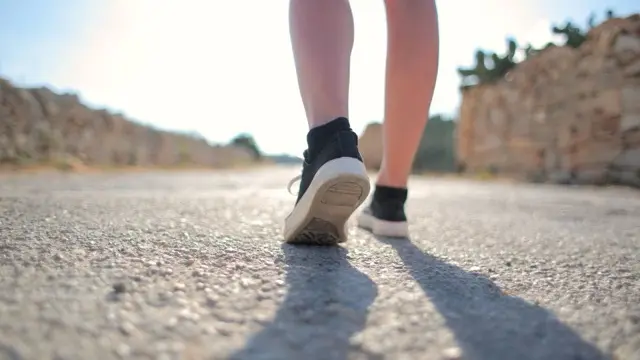
- Walk straight away. Most clinics ask you to walk for 15–30 minutes after the procedure. Walking keeps blood moving through the deep veins and lowers the risk of clots.
- Expect some numbness or tightness as the local anaesthetic wears off.
- Bandages or stockings may be applied, depending on the procedure.
- Arrange a ride home if you were given sedation. Many people can otherwise go home by taxi or with a companion.
- Rest in the evening with your legs raised, but get up to walk for a few minutes every hour or so while awake.
Days 1–3
- Return to desk work is often possible on day 1 or 2.
- Keep walking — aim for several short walks a day.
- Avoid standing still or sitting for long periods. Do ankle pumps when seated.
- Showers: usually fine after 24–48 hours; follow your clinic’s advice about removing dressings.
- Pain relief: simple painkillers are usually enough. Check with your doctor which ones are suitable for you.
Week 1
- Tightness along the treated vein is common, often described as a “pulled muscle” feeling, especially around days 3–7 after thermal ablation.
- Bruising may appear and spread before it fades.
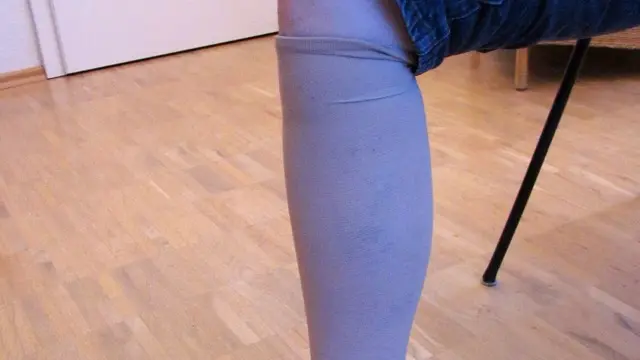
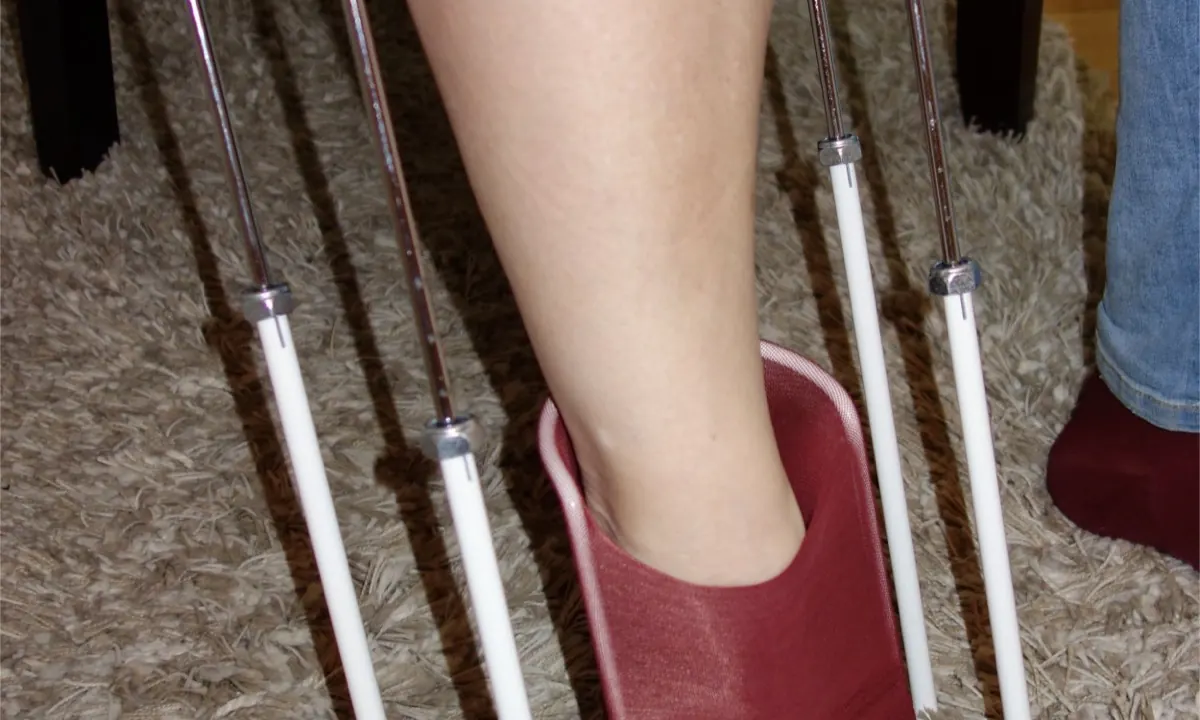
- Compression stockings are often worn during the day for the first one to two weeks after thermal ablation or phlebectomy. After VenaSeal they are frequently not needed.
- Avoid hot baths, saunas, jacuzzis and swimming pools until puncture sites have healed.
- Avoid heavy lifting and strenuous workouts.
Weeks 2–4
- Bruising and tightness usually settle.
- You may feel a firm cord along the treated vein. This is normal and softens over time.
- Exercise: most people can gradually return to swimming, cycling and gym workouts during this period, as advised by their doctor.
- Follow-up scan: many clinics do a duplex ultrasound within a few weeks to confirm the vein has closed and the deep veins are clear.
- Flying: if you need to fly, discuss timing with your doctor. Many advise avoiding long-haul flights for around two to four weeks after treatment.
Months 1–6
- Treated veins are gradually absorbed by the body and fade.
- Remaining smaller veins or spider veins may be treated with sclerotherapy once the main veins have settled.
- Any brown staining along treated veins usually fades over months.
There’s a helpful explanation of this stage in what happens to varicose veins after treatment.
Normal side effects vs warning signs
| Usually normal | Contact your doctor promptly |
|---|---|
| Bruising along the treated area | Calf pain, swelling or warmth that keeps getting worse |
| Tightness or a pulling feeling | Sudden breathlessness or chest pain (call 995) |
| A firm, tender cord along the vein | Fever, or redness that spreads and feels hot |
| Mild itching | Pus or discharge from puncture sites |
| Small lumps that soften over weeks | Numbness or tingling that doesn’t improve |
| Temporary brown staining | Bleeding that doesn’t stop with pressure |
Blood clots after treatment are uncommon, but serious. Sudden swelling and pain in the calf or thigh, or breathlessness and chest pain, need same-day medical attention. In an emergency in Singapore, call 995.
Things that help recovery
- Walk several times a day
- Raise your legs when resting
- Wear compression stockings exactly as advised
- Drink enough water, especially in hot weather
- Avoid long car journeys or flights in the first weeks unless your doctor says they are fine
For a fuller list, see what not to do after vein surgery.
Will my varicose veins come back?
Treated veins stay closed in most people, but new varicose veins can develop over the years because the tendency to vein disease remains. Keeping active, managing your weight and attending follow-up reduce the chance. Read more about long-term results in our myths vs facts guide.
Haven’t had treatment yet?
Compare your options in Varicose vein treatments compared, or check what treatment costs and how MediSave works.
Frequently asked questions
How long after vein treatment can I go back to work?
Many people return to office work within a few days, though this varies. If your job involves heavy lifting or long hours on your feet, your doctor may suggest a few more days. Recovery after VenaSeal or ClariVein is often the quickest.
When can I exercise after varicose vein treatment?
Walking is encouraged from the same day. Light exercise such as cycling or swimming is often fine after about a week once puncture sites have healed, and strenuous exercise or heavy weights after around two weeks. Always follow your own doctor's advice.
How long do I need to wear compression stockings after treatment?
It depends on the procedure and your doctor's protocol. After thermal ablation, many patients wear stockings for one to two weeks. After VenaSeal, stockings are often not needed.
When can I fly after vein treatment?
Flying soon after a vein procedure increases the risk of blood clots. Many specialists suggest avoiding long-haul flights for around two to four weeks, and short flights for a few days. If you have travelled to Singapore for treatment, plan your return flight with your surgeon.
Is it normal to feel a hard lump along the treated vein?
Yes. A firm, slightly tender cord along the treated vein is a normal sign that it has closed. It usually softens over several weeks.
Sources and further reading
This article is general information, not personal medical advice. Please speak to a doctor about your own symptoms. How we create our content.