Sclerotherapy aftercare at a glance
Sclerotherapy works by injecting a medicine into a vein so it closes and gradually fades. The injection is quick, but the healing happens over the days and weeks that follow, and what you do during that time matters. This guide covers sclerotherapy aftercare in plain English: what the first days usually look like, how compression fits in, what trapped blood and staining are, and which signs mean you should call someone.
Everyone’s recovery is a little different, depending on the size of the veins, how many were treated and your own healing. Always follow your own doctor’s written instructions over any general guide, including this one. For an overview of the treatment itself, see sclerotherapy explained, and for recovery after other vein procedures see recovery after varicose vein treatment.
Day-by-day: what to expect
The first 24 hours
- You will usually leave with compression applied, either bandages or stockings.
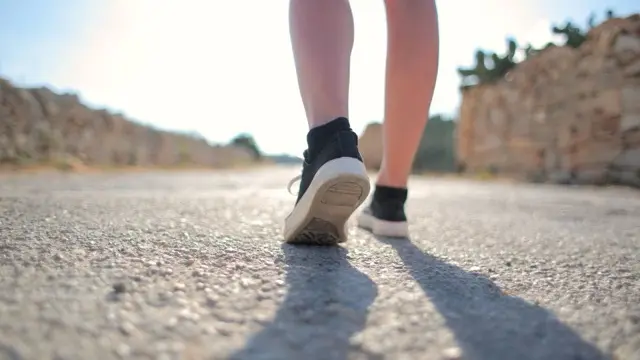
- Walk. Gentle walking switches on your calf muscle pump and is widely encouraged from the start.
- Mild stinging, tightness or aching in treated areas is common as the medicine takes effect.
- Raise your legs when resting.
- Avoid very hot showers, saunas, heated pools and strenuous exercise for now.
- Keep bandages dry and in place unless you have been told to remove them.
Days 2 to 3
- Bruising often appears or deepens, and treated veins may feel tender, firm or cord-like.
- Itching and small red patches around injection sites are common.
- Keep walking each day, and avoid standing still or sitting for long periods.
- Keep wearing compression as instructed.
Days 4 to 7
- Bruises change colour from purple to green or yellow, which is a normal sign of healing.
- Firm lumps and tender cords may still be present.
- Many people return to desk work earlier, with exercise restrictions continuing for a while.
- Some people see temporary darkening along treated veins.
Sclerotherapy after 1 week
By the end of the first week, many people look and feel better, but treated areas rarely look final. Typical findings include:
- fading bruises with yellow or brown edges
- firm, sometimes sensitive veins that are slowly softening
- areas that look worse before they improve, because the closed vein is still visible while the body clears it
- gradually less need for pain relief, if any was used
Improvement continues over several weeks to months. Your clinic may schedule a review at around this time or later to check how the veins are responding and whether more sessions are needed. Increasing pain, spreading redness, fever or swelling at one week are not typical and should be checked.
Weeks 2 to 6 and beyond
- Lumps soften and bruises usually clear.
- Return to normal exercise is often allowed once your doctor agrees.
- Final results can take several weeks or longer to be judged, and some veins need repeat treatment.
Compression hose for sclerotherapy
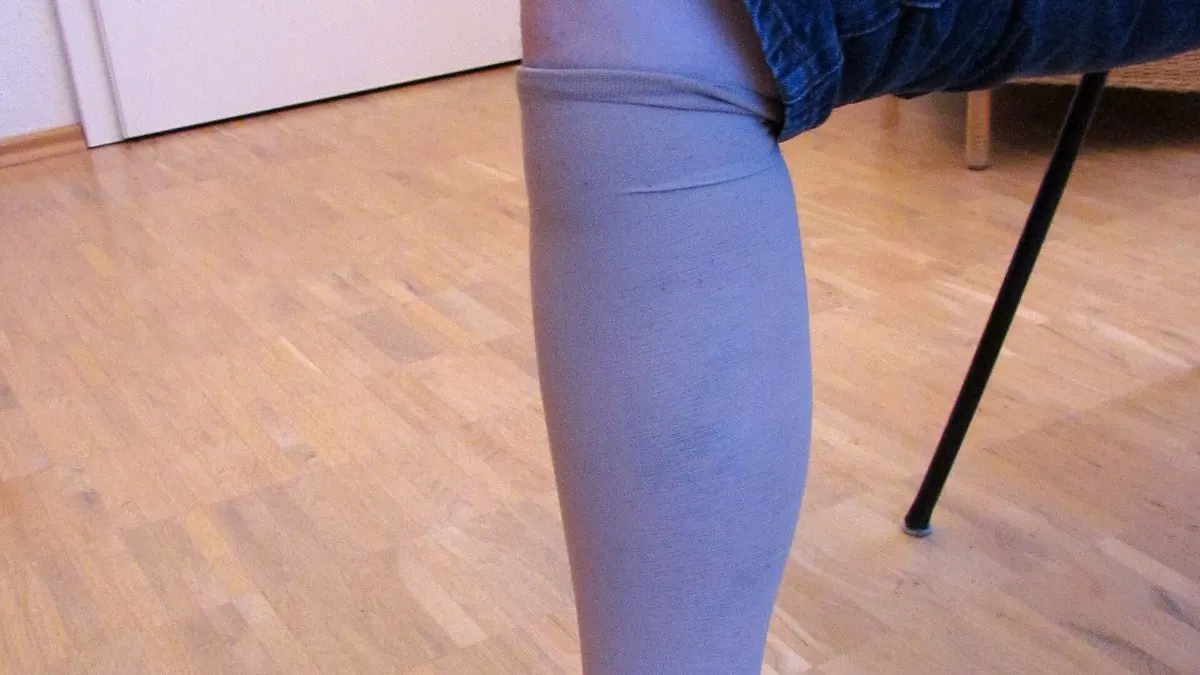
Compression hose for sclerotherapy serve two purposes: they keep the treated veins squeezed shut, and they reduce swelling and bruising. In general:
- Your doctor will tell you what strength, which type and how long to wear them. This varies with the veins treated.
- Wear them as directed, including overnight if told to.
- Make sure they fit well and do not roll down or form a tight band. Pain, numbness, blue toes or skin damage means they need adjusting; contact your clinic.
- Wash them as instructed and keep a spare pair if possible.
Heat and humidity can make stockings uncomfortable in the tropics. Cotton liners, air-conditioned rest periods and putting stockings on first thing in the morning can help. For more on choosing and wearing them, see our compression stockings guide and compression socks for varicose veins.
Trapped blood after sclerotherapy
Trapped blood is one of the most searched worries after treatment, so here is what it is. When a vein closes, the blood inside cannot flow away, and it can become thick and dark. The result is:
- a firm, tender lump or cord under the skin along the treated vein
- a dark blue, purple or brown colour showing through the skin
- sometimes a feeling of pressure or tightness
This is usually harmless, but it can take weeks or months to absorb by itself and may cause discolouration. Doctors can often release trapped blood with a tiny puncture and gentle pressure, usually a few weeks after treatment, which tends to reduce discomfort and later staining. Do not attempt this yourself, because home pricking risks infection and scarring. Contact your clinic if a lump is very painful, hot, red or growing.
You will see many online photos of trapped blood. Because appearance varies with skin tone and vein size, pictures are a poor way of judging your own legs. A quick check-up with your doctor is more reliable.
Staining and other normal effects
- Brown staining (hyperpigmentation). Iron from the trapped blood can leave brown lines along treated veins. It often fades over months, but in some people it lingers or is permanent.
- Matting. Fine new red vessels sometimes appear near treated areas. They may fade or need further treatment.
- Bruising and itching. Common and temporary.
- Small skin changes or sores at the injection site. Rare; tell your doctor.
Sun exposure can darken staining, so covering treated areas and using sun protection is commonly advised. Heat and long periods of standing can aggravate swelling.
Practical dos and don’ts
Usually fine: walking, gentle stretching, leg elevation, light daily activity, staying hydrated, asking your clinic questions.
Usually avoided for a short time: hot baths and saunas, strenuous or high-impact exercise, heavy lifting, prolonged standing, sunbathing and anything your doctor specifically restricts.
Ask your doctor about: pain relief, flying or long travel, and exactly when you may resume sport.
When to see a doctor
Contact your clinic or doctor promptly if you have:
- pain, swelling, warmth or redness in one calf or thigh
- worsening pain that is not easing
- spreading redness, pus, a fever or other signs of infection
- a skin sore or blister at an injection site
- a treated vein that is bleeding
- compression that is causing numbness, colour change in the toes or severe pain
- an allergic-type reaction such as a rash, wheeze or facial swelling
Call 995 or go to the nearest emergency department for sudden chest pain, sudden shortness of breath or coughing up blood. These can be signs of a blood clot reaching the lung, which is rare after sclerotherapy but serious.
If you are weighing up treatment or have not yet had your veins assessed, try our vein symptom check. This guide is educational and does not replace your doctor’s advice.
Frequently asked questions
How long do I need to wear compression hose after sclerotherapy?
It depends on what was treated and on your doctor's preference. Some clinics advise compression for several days and others for a couple of weeks or longer for larger veins. Follow the instructions you were given, since that plan was set for your legs.
Is trapped blood after sclerotherapy dangerous?
Usually not. Trapped blood is old blood caught inside a closed vein, and it can feel firm or look dark. It is generally a harmless part of healing, but if the area is very painful, hot or growing, or you are worried, contact your clinic, who can examine it and may release it.
What should sclerotherapy look like after 1 week?
Treated areas often still show bruising, colour changes or firm lumps at one week, and veins may look worse before they look better. Fading continues over weeks to months. Increasing pain, redness or swelling are not typical and should be checked.
When can I exercise after sclerotherapy?
Walking is usually encouraged from the first day. Many clinics ask you to avoid strenuous exercise, heavy lifting and high-impact activity for a short time, often days to a couple of weeks. Ask your own doctor, as it depends on the treatment.
Can I fly or take a hot bath after sclerotherapy?
Heat can widen veins and affect healing, so hot baths, saunas and long sun exposure are commonly avoided for a period. Long flights raise the clot risk and deserve a conversation with your doctor beforehand.
Sources and further reading
- NICE Clinical Guideline CG168: Varicose veins — diagnosis and management
- European Society for Vascular Surgery (ESVS) 2022 Clinical Practice Guidelines on the Management of Chronic Venous Disease of the Lower Limbs
- NHS — Varicose veins: treatment
- NHS — Deep vein thrombosis (DVT)
- NHS — Pulmonary embolism
This article is general information, not personal medical advice. Please speak to a doctor about your own symptoms. How we create our content.