How to remove varicose veins: the honest answer
Many people search for a way to get rid of varicose veins by themselves. The honest answer is split in two:
- Procedures can close or remove varicose veins.
- Self-care measures ease symptoms and may slow things down, but they do not make existing varicose veins disappear.
Varicose veins are veins whose valves have failed, so blood leaks backward and the vein stretches. A stretched vein with broken valves does not return to normal on its own. This page explains what each approach can and cannot do. It is an overview, not a step-by-step guide, and for the full comparison see varicose vein treatments compared.
What does not remove varicose veins
Plenty of products promise results, but evidence is weak or absent for these:
- Creams and gels. They may feel cooling but do not repair valves. See do varicose vein creams work.
- Supplements and herbal products. Some have limited evidence for easing heaviness, but none remove veins. See supplements for varicose veins.
- Massage. Gentle leg movement is fine, but vigorous massage over a very hard or painful vein is not advised, because of the small risk of a clot in the vein.
- Exercise and diet alone. They support circulation and weight control, which matter, but cannot reverse the vein.
For more on this, read our guides to home remedies for varicose veins and whether varicose veins can be reversed.
How to reduce varicose veins symptoms
Self-care can make legs more comfortable, which is often the real goal.
- Keep moving. Walking uses the calf pump to push blood upward. See exercises for varicose veins.
- Elevate your legs above hip level when resting.
- Wear compression stockings that are properly fitted. They are a standard first step in guidelines for symptomatic varicose veins. See the compression stockings guide.
- Manage weight and avoid long spells of standing or sitting still.
- Protect your skin from scratching and injury.
These measures are sensible for everyone with varicose veins, including after a procedure. They help you feel better and may slow progression, but they are not removal.
What actually removes or closes varicose veins
Modern treatment targets the leaking vein, usually at the source higher in the leg, and then deals with visible branches if needed. Approaches include:
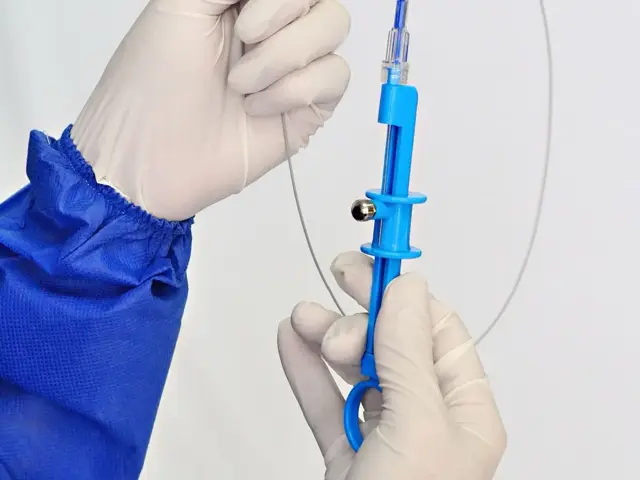
- Endovenous ablation. A thin tube is placed in the leaking vein under ultrasound guidance and heat from radiofrequency or laser closes it. See vein ablation.
- Non-thermal closure. Medical glue or a combination of chemical and mechanical methods closes the vein without heat. See VenaSeal and ClariVein.
- Sclerotherapy. A liquid or foam is injected to close smaller varicose veins and spider veins. See sclerotherapy.
- Phlebectomy. Bulging branch veins are removed through tiny cuts. See phlebectomy.
- Surgery. Traditional vein stripping and ligation are now used less often but may suit certain veins. See varicose vein surgery.
NICE guidance (CG168) advises offering endothermal ablation first to people with troublesome varicose veins that need intervention, then foam sclerotherapy, then surgery if those are unsuitable. The right choice for you depends on the size and position of your veins, your scan and your health.
“Leg vein removal”: what it means
Most modern procedures do not pull veins out. The closed vein is left in place and the body gradually absorbs it, while blood is diverted through healthy veins. A smaller number of procedures physically remove veins or branches. Fine thread veins are treated by a different route. See spider vein treatment.
What to expect
Most procedures are done as day cases using local anaesthetic, and people commonly go back to normal activity within days, although this varies. Possible effects include bruising, tightness, temporary numbness and, rarely, clots or nerve irritation. Read recovery after varicose vein treatment for more. Veins can recur or new ones can form, so results are not guaranteed.
Choosing between options
There is no single best procedure for everyone. Doctors weigh up the size and position of the leaking vein, how straight it is, your symptoms, other health conditions and your preferences about recovery. A duplex ultrasound before treatment maps the veins so the plan is based on what is actually leaking, not just what is visible. It is reasonable to ask what each option involves, what the risks are, what recovery looks like, whether you will need compression afterwards and what the chance of recurrence is. Be cautious of anyone who promises permanent removal with no risk or guarantees how your legs will look. Our overview of what a vein specialist does can help you prepare questions.
Do you need to remove them?
Not every varicose vein needs treatment. Many people with no symptoms and no skin changes can simply monitor them. Treatment is more strongly considered when there is persistent pain or heaviness, swelling, skin changes, bleeding, repeated inflammation of a vein or an ulcer. Cosmetic concern is also a valid reason, though it may not be covered by insurance. For cost context, see varicose vein treatment cost in Singapore.
A realistic expectation
Even after a successful procedure, many people still need to keep up healthy habits. Closing the main leaking vein can improve aching, swelling and the look of the leg, but bruising and lumpiness can take weeks to settle, and residual surface veins may need a second small treatment. Treated legs are not immune to new veins, particularly with a family tendency, pregnancy or weight gain. Seeing the process as ongoing leg care, rather than a once-only fix, is usually more accurate and avoids disappointment.
When to see a doctor
See a doctor if your veins are painful, your legs ache or swell regularly, the skin near your ankle is changing, or a sore does not heal. A scan and examination can show what is going on and whether treatment is worthwhile. Get urgent help if a vein bleeds and does not stop with firm pressure (call 995), or if one leg suddenly swells with pain and warmth. For chest pain, breathlessness or coughing blood, call 995.
Try the vein symptom check or read how to find a vein specialist. Terms are in our glossary. This article is general education and does not replace advice from your doctor.
Frequently asked questions
Can varicose veins be removed without a procedure?
No. Home measures can reduce symptoms, but once a vein is stretched and its valves are damaged, only a procedure will close or remove it. Creams, supplements and exercise do not reverse the vein itself.
How can I reduce varicose veins at home?
You cannot shrink them back, but you can ease the discomfort. Regular walking, raising your legs, keeping a healthy weight, avoiding long periods without moving and wearing properly fitted compression stockings often reduce aching and swelling.
Do varicose veins come back after removal?
They can. The treated vein usually stays closed, but new veins may develop over time, especially if you have a strong family tendency. Follow-up and healthy habits help, though they cannot give guarantees.
What is the difference between leg vein removal and closing a vein?
In most modern procedures the vein is closed and left in place, where the body gradually absorbs it, rather than being pulled out. Some bulging branches are removed through tiny cuts. Blood simply uses healthier veins instead.
Is varicose vein removal covered by insurance in Singapore?
Coverage depends on your insurer, plan and whether the procedure is judged medically necessary. Check with your insurer and the clinic. Our page on costs gives the general picture.
Sources and further reading
This article is general information, not personal medical advice. Please speak to a doctor about your own symptoms. How we create our content.