What is ambulatory phlebectomy?
Ambulatory phlebectomy is a minor procedure that removes bulging, rope-like varicose veins lying just under the skin. “Ambulatory” means you are up and walking around during and straight after treatment, rather than being admitted to hospital. “Phlebectomy” simply means removal of a vein.
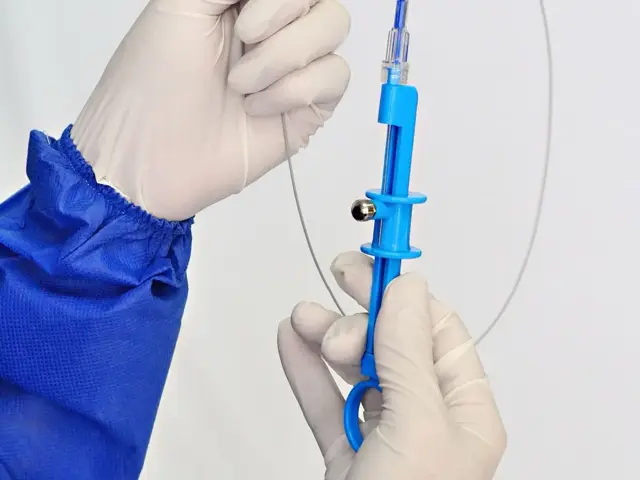
Instead of a long surgical cut, the doctor makes tiny nicks in the skin, each only a few millimetres long. A fine hook is passed through each nick, and short segments of the vein are gently drawn out. The cuts are usually so small that they heal without stitches, often with a thin dressing and compression bandage on top.
It sits within the wider family of options described in our guide to varicose vein treatments compared. It is best thought of as a “tidy-up” technique for visible surface veins, rather than a treatment for the underlying cause of the problem.
Mini phlebectomy and microphlebectomy: are they different?
You may see the same technique described as mini phlebectomy or microphlebectomy. In practice these terms overlap heavily:
- Mini phlebectomy usually stresses that the incisions and instruments are small.
- Microphlebectomy is often used for particularly fine instruments or very small veins.
- Older names such as stab avulsion describe the same idea of removing a vein through a stab-like nick.
If a clinic uses one of these terms, it is worth asking them to explain exactly what they will do, how many nicks are expected and what anaesthetic is used. The labels matter less than the plan.
Who is it suitable for?
Phlebectomy is generally considered for people who have:
- Visible, bulging varicose veins on the calf or thigh that are the main source of aching, tenderness or appearance concerns.
- Tributary (branch) veins that remain after the main leaking vein has been treated.
- Veins that are too large or too twisted for injection treatment alone.
It is usually not the first choice for very fine spider veins, which respond to different techniques (see spider vein treatment). It also needs care, or may be postponed, if you have an active skin infection over the area, a current deep vein thrombosis, or poor circulation in the leg. A clinician will advise what is appropriate after examining you.
Why the scan matters first
Most varicose veins are fed by a leaking valve in a larger vein, such as the great or small saphenous vein. This leak is called venous reflux. If only the visible branch is removed and the leaking source is left alone, new branches may swell up over time.
For this reason, guidelines including ESVS 2022 and NICE CG168 recommend a duplex ultrasound scan to map the veins before treatment. The scan is painless, uses no radiation and shows which veins are leaking. Where the main trunk is leaking, treatment options such as vein ablation are generally used to close it, and phlebectomy may be done at the same visit or a few weeks later to remove the surface branches.
What happens during the procedure
Exact steps vary between clinics, but a typical session looks like this:
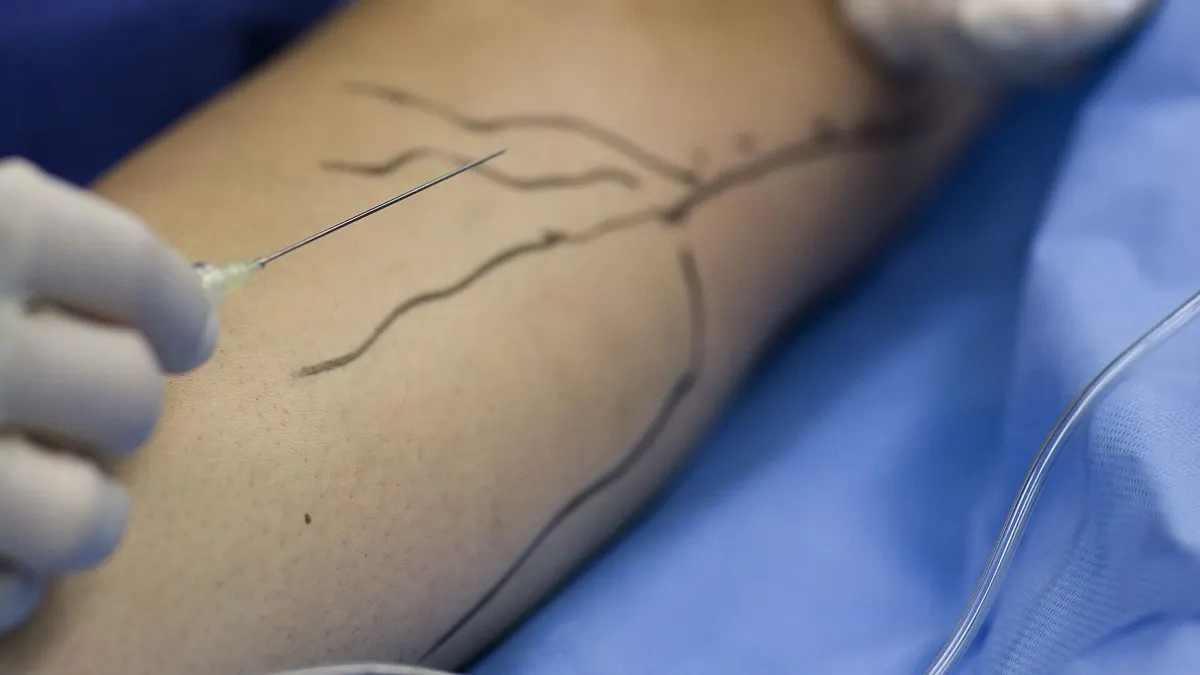
- Marking. While you stand, the doctor marks the veins on your skin, because they are much harder to see once you lie down.
- Numbing. Local anaesthetic is placed around the veins, sometimes as many small injections or as a dilute solution spread around the area. This may sting briefly.
- Removal. Tiny nicks are made and the vein segments are drawn out with a small hook. You may feel pulling or pressure but should not feel sharp pain.
- Dressing. The nicks are covered and the leg is wrapped or fitted with a compression stocking.
- Walking. You are generally encouraged to walk straight away, which supports healthy circulation.
The length of the session depends on how many veins are treated. Many sessions take under an hour, but this varies.
Recovery: what is normal
Many people go home the same day and return to light activity within days, though recovery varies. Common experiences include:
- Bruising and tenderness along the treated veins, often most noticeable in the first week or two.
- Small lumps or firmness along the vein path as the body settles, which usually soften over weeks.
- Temporary numb or tingling patches where small skin nerves run near the veins.
- Tiny scars that tend to fade, though some people notice slight colour changes in the skin.
Your clinician will give instructions about compression, walking and when to return to exercise or work. Our recovery guide after varicose vein treatment covers the general timeline across procedures. Recovery times vary with the number of veins treated and your own healing.
Risks and possible complications
Phlebectomy is considered a low-risk procedure when done by a trained clinician, but no procedure is risk free. Possible issues include:
- Bruising, swelling and soreness (common and usually temporary).
- Skin staining or pigmentation along the treated area.
- Nerve irritation causing numbness or tingling, usually temporary.
- Infection at the small incision sites (uncommon).
- Superficial vein inflammation or small clots in nearby veins.
- Recurrence, meaning new varicose veins appearing later, particularly if the underlying reflux is not addressed.
- Deep vein thrombosis, which is rare but serious.
Ask your doctor to explain the risks that apply to your particular situation, and which warning signs to watch for.
How it compares with other options
Compared with injection-based treatment, phlebectomy physically removes the vein, which can be useful for larger or bulging segments. Compared with trunk-vein closure methods, it does not treat the source of reflux. And compared with traditional open surgery, it uses much smaller cuts and is usually done under local rather than general anaesthetic. For a broader look at how vein stripping and ligation fit in, see varicose vein surgery and sclerotherapy.
No one technique is best for everyone. The right plan depends on your scan results, the size and location of the veins, your symptoms and your preferences.
When to see a doctor
See a doctor if you have bulging veins, or if your legs ache, feel heavy, swell, itch or show skin changes near the ankle. A vein assessment with duplex ultrasound will tell you whether you need treatment and which option fits. You can start with our two-minute vein symptom check or read about finding a vein specialist.
After any vein procedure, contact your treating clinic promptly if you notice increasing redness, warmth, pus or fever around a small cut, bleeding that does not stop with firm pressure, or worsening pain.
When it’s an emergency: sudden pain, swelling, warmth or redness in one leg can be a deep vein thrombosis. If this comes with sudden chest pain, breathlessness or coughing up blood, call 995 or go to the nearest emergency department straight away.
Frequently asked questions
Is ambulatory phlebectomy painful?
The area is numbed with local anaesthetic, so most people feel pressure or tugging rather than sharp pain during the procedure. Afterwards the legs are commonly tender and bruised for a week or two, which is generally manageable with simple measures your clinician advises.
What is the difference between mini phlebectomy and microphlebectomy?
In everyday use they describe the same approach: removing varicose veins through very small cuts using fine hooks. The different names mainly reflect how small the instruments and incisions are, and different clinics use them interchangeably.
Will the varicose veins come back after phlebectomy?
The vein segments that are removed do not grow back. However, new varicose veins can appear over time, especially if the underlying valve leak in a larger vein is left untreated or you have a strong family tendency.
Do I need compression stockings afterwards?
Compression is generally advised for a period after the procedure to limit bruising and swelling. How long varies with the number of veins treated and your clinician's protocol.
Can phlebectomy be done on its own?
Sometimes, if an ultrasound scan shows the larger veins are healthy and only surface branches are affected. Many people with varicose veins also have leaking trunk veins, in which case phlebectomy is usually combined with, or follows, another treatment.
Sources and further reading
This article is general information, not personal medical advice. Please speak to a doctor about your own symptoms. How we create our content.