Varicose veins in feet: what they are
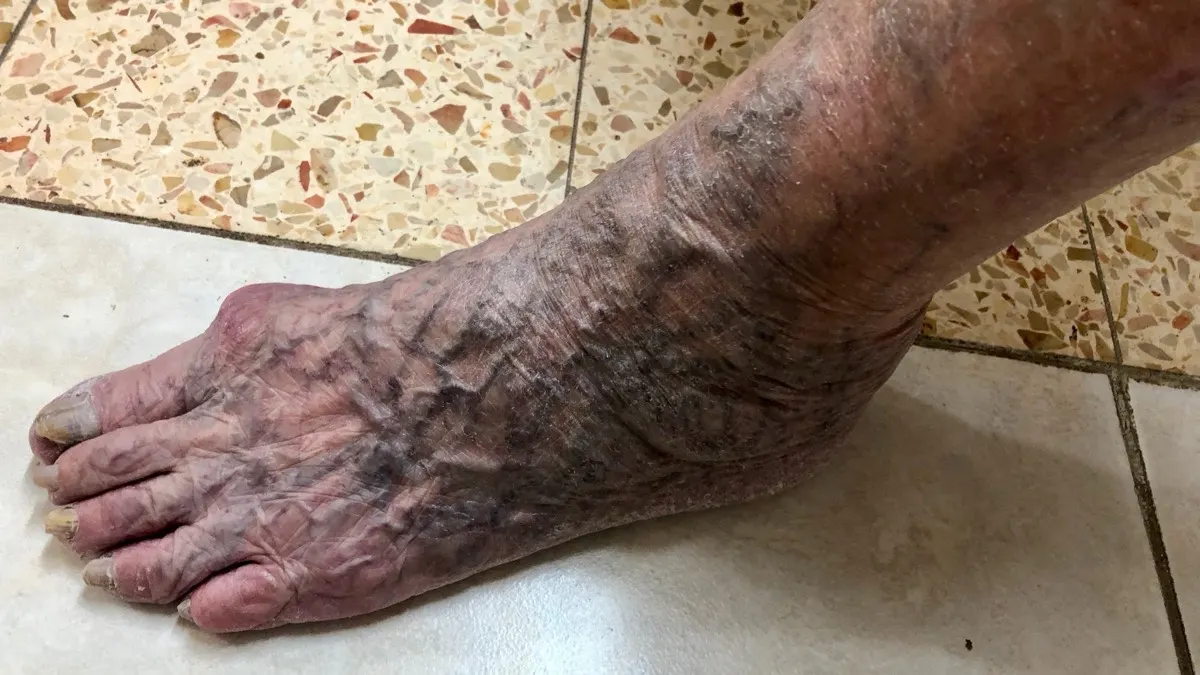
Varicose veins in feet are swollen, twisted veins that show up on the top, side or sole-edge of the foot or around the ankle. They form in the same way as varicose veins elsewhere in the leg. Small valves inside the vein weaken, blood leaks backward and pools, and the vein wall stretches and bulges. If you search for varicose veins foot you will find a wide mix of pictures, so it helps to know what is typical and what is simply a normal visible vein.
Your feet and ankles are the lowest part of the body, so blood has the longest way to climb and the pressure builds up most here. Because of this, vein changes often show up at the ankle first, even when the underlying problem begins higher up the leg. Our overview of varicose veins explains the general picture.
Normal visible veins versus varicose veins
Veins on the top of the foot are often easy to see, particularly with thin skin, low body fat, hot weather or after exercise. This is usually normal. Signs that suggest varicose veins include:
- Veins that are raised, ropey, twisted or bulging
- Swelling around the ankle that builds through the day
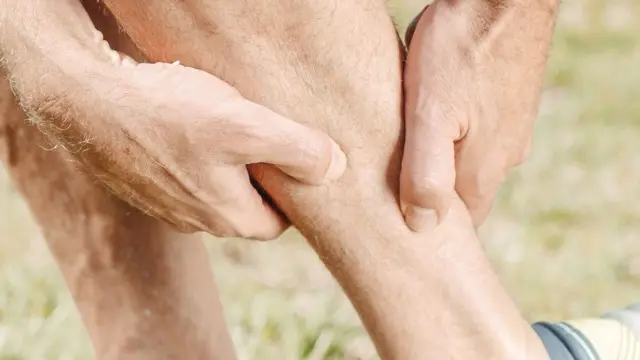
- An aching, heavy, tight or throbbing feeling in the foot or lower leg
- Itching or dry skin near the ankle
- Brown staining or skin thickening around the ankle
- A fan of tiny veins at the ankle edge (ankle flare)
Fine red or blue thread-like veins are different. They are usually spider veins, which are harmless and often cosmetic. See our guide to spider veins on ankles and feet and the comparison of spider veins versus varicose veins.
What is ankle flare?
Ankle flare (the medical name is corona phlebectatica) is a small cluster of blue, purple or red veins spreading out in a fan around the inner or outer ankle and the edge of the foot. It often appears when pressure in the veins higher in the leg is raised, so doctors view it as a possible early sign of chronic venous disease. It does not harm you by itself, but it is a good reason to have the legs checked, particularly if you also have swelling, aching or skin changes. Read more in our page on chronic venous insufficiency.
Why do they appear?
Common contributors include:
- Family history. Weak valves and vein walls often run in families.
- Age. Veins lose elasticity over time.
- Pregnancy. Extra blood volume and hormone changes relax vein walls. See varicose veins in pregnancy.
- Long periods of standing or sitting, as in many service, healthcare and office jobs.
- Excess weight, which adds pressure to leg veins.
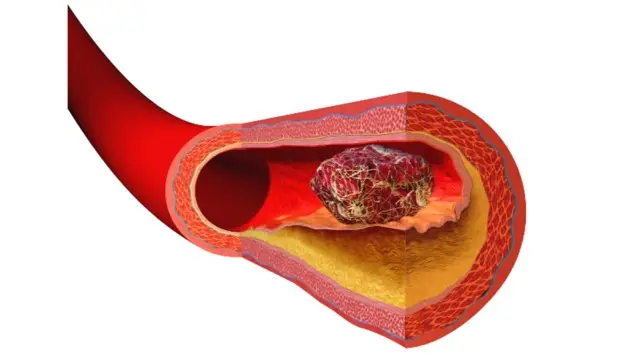
- A previous clot or leg injury, which can damage valves.
- Footwear and clothing: tight or very high-heeled shoes do not usually cause varicose veins, but they can make symptoms worse by limiting the calf-muscle pump.
Symptoms to expect
Varicose veins in the foot and ankle may cause no symptoms at all. When they do, people describe aching, heaviness, tingling, burning, itching and night cramps. Swelling is common by evening. In Singapore’s heat and humidity, veins widen and discomfort often increases, particularly after a long day on your feet.
What can help at home
These steps ease symptoms; they do not remove the veins.
- Move often. Walk regularly, and do ankle circles and calf raises if you sit for long.
- Raise your feet above hip level when resting to help blood drain.
- Choose supportive footwear with a moderate heel and enough room for swollen feet.
- Consider compression. Properly fitted socks or stockings can reduce aching and swelling. See our compression socks for varicose veins guide.
- Look after your skin. Moisturise dry skin and treat small cuts early, since healing near the ankle can be slow.
- Keep a healthy weight where possible.
- Cool down. A cool shower and loose clothing help in hot weather.
Check any exercise plan or compression with your doctor if you have diabetes, poor circulation or other conditions.
Treatment options
If symptoms are troublesome, or if there are skin changes or complications, a doctor may arrange a duplex ultrasound scan to see which veins are leaking. In many people the source is a larger vein higher in the leg, and treating that vein can ease the ankle and foot veins too. Options range from conservative care to minimally invasive procedures. Our guide to varicose vein treatments compared sets them side by side. Not every foot vein needs treatment, and the decision depends on your symptoms and scan.
Living with varicose veins in the feet
Day-to-day comfort often matters most. If your job keeps you standing, build in short movement breaks, shift weight from foot to foot and flex your ankles. If you sit, avoid crossing your legs for long periods and stand up regularly. When travelling by air, walk the aisle when you can and consider compression, as discussed in standing, sitting and flying with varicose veins. Take care when trimming toenails or caring for calluses near enlarged veins, since a nick can bleed more than expected. If a vein bleeds, lie down, raise the leg and press firmly with a clean cloth, and call 995 if it will not stop.
Other causes of foot swelling or vein-like marks
Not every swollen or discoloured foot is a vein problem. Heart, kidney, liver or thyroid conditions, certain medicines, lymphatic problems and infection can also affect the feet. If both feet swell or you also feel breathless, see a doctor. Read more about bulging veins in feet and swollen ankles.
When to see a doctor
See a doctor if you have painful, bulging or twisted veins in the foot or ankle, regular swelling, itchy or darkened skin, or a sore that is slow to heal. Get urgent help if one leg suddenly becomes swollen, painful and warm, or if a vein bleeds and pressure does not stop it. Call 995 for chest pain, breathlessness or coughing up blood.
Try the vein symptom check or learn how to find a vein specialist. Terms are explained in the glossary. This article is general education and does not replace advice from your own doctor.
Frequently asked questions
Are bulging veins on the top of my foot always varicose veins?
No. Visible veins on the top of the foot are very common, especially in slim people, after exercise and in warm weather, and are usually normal. They are only called varicose when they are enlarged, twisted and part of a valve problem, often with symptoms.
What is ankle flare?
Ankle flare, also called corona phlebectatica, is a fan-shaped cluster of tiny blue, purple or red veins around the inner or outer ankle and edge of the foot. It can signal raised pressure in the veins above, so it is worth mentioning to a doctor.
Can varicose veins in the foot cause pain?
They can. Some people feel aching, burning, throbbing or a heavy sensation, often worse at the end of the day. Others have no discomfort. Pain from foot problems such as flat feet or nerve conditions can feel similar, so a check is useful.
Do varicose veins on the foot need treatment?
Not always. Treatment is considered when there are troublesome symptoms, skin changes, bleeding or other complications. A duplex ultrasound scan helps the doctor advise.
Can compression socks help varicose veins on the foot and ankle?
They often ease aching and swelling by supporting blood flow, though they do not remove the veins. They should be fitted properly, and they are not suitable for everyone, such as people with poor arterial circulation.
Sources and further reading
This article is general information, not personal medical advice. Please speak to a doctor about your own symptoms. How we create our content.