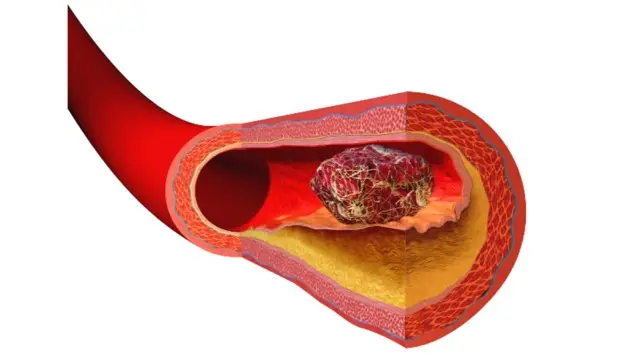
If you are asking “why are my ankles swollen?”, you are not alone. Swollen ankles are one of the most common reasons people look up leg symptoms, and the causes range from a long day on your feet to a serious heart or clotting problem. This page helps you work out the likely cause, spot warning signs and decide what to do next. It is educational and cannot diagnose you.
What does swollen ankles mean?
Swelling of the ankles and feet is usually oedema: extra fluid that has leaked from small blood vessels into the surrounding tissue. It makes the skin look puffy or tight, may leave a dent when you press it for a few seconds (“pitting”), and can make shoes, socks or rings feel snug. So what does swollen ankles mean? On its own, it is a sign, not a diagnosis. The cause may be harmless and temporary, or the first clue to a condition that needs treatment.
Why are my ankles swollen? Common everyday causes
Many people with swollen feet and ankles have a simple explanation:
- Standing or sitting for long periods, such as on long flights, in an office chair or at a counter
- Hot, humid weather, which relaxes blood vessels and encourages fluid to pool
- Pregnancy, especially in the later months, from fluid retention and pressure on pelvic veins
- Weight gain, which puts pressure on leg veins
- Pre-period hormonal changes
- A minor sprain or injury (usually one ankle only)
- Salty food, which makes the body hold on to water
These causes typically settle with movement, rest and raising the legs, and swelling is usually worse in the evening and better in the morning.
What causes swollen ankles: vein problems
Veins have one-way valves that help push blood up the leg against gravity. When the valves weaken, blood flows backwards and pools. This is chronic venous insufficiency or venous reflux, and it is one of the most common medical reasons for long-term swollen ankles. Typical clues:
- Both ankles or one leg feel heavy, aching or tight, especially after standing
- Visible varicose veins or tiny spider veins around the ankle
- Itching, brownish discolouration or dry, eczema-like skin near the ankle
- Swelling that improves when you lie down or raise your legs
If this sounds familiar, our vein symptom check is a good starting point. Vein reflux is found with a painless duplex ultrasound scan, and treatments exist. Left untreated, long-term venous disease can lead to skin damage and leg ulcers in some people.
Causes of swollen ankles that are not vein-related
Because many conditions cause swollen ankles and feet, doctors look at the whole picture. Other causes of swollen ankles include:
- Heart failure. The heart pumps less effectively, so fluid backs up. Both legs swell, often with breathlessness, tiredness and needing more pillows to sleep.
- Kidney disease. Swelling often appears around the eyes in the morning as well as in the legs.
- Liver disease. Fluid can collect in the legs and the abdomen.
- Medicines. Some blood pressure tablets, anti-inflammatory painkillers, steroids, some diabetes medicines and hormones can cause ankle swelling.
- Lymphoedema. A blockage or damage to the lymph vessels, sometimes after surgery or radiotherapy, causing persistent swelling.
- Low protein levels or thyroid problems.
- Infection (cellulitis). A hot, red, painful, swollen area, often with fever.
- Blood clot (deep vein thrombosis). Usually one leg, often painful and warm. See deep vein thrombosis and blood clot in leg symptoms.
What is swollen ankles a sign of? Clues that help narrow it down
| Pattern | Possible meaning |
|---|---|
| Both ankles, worse by evening, better overnight | Gravity, heat, vein valve weakness |
| One leg, sudden, painful, warm | Blood clot, infection or injury: get checked promptly |
| Both legs with breathlessness or tiredness | Possible heart or lung cause |
| Swollen face or eyelids plus legs | Possible kidney problem |
| Swelling with a new medicine | Possible medicine side effect |
| Swelling in late pregnancy, with headache or sudden severe swelling | Needs urgent obstetric review |
This table is a guide only. Overlap is common.
How doctors find the cause
Expect questions about when the swelling started, whether it is one or both legs, your medicines, and symptoms such as breathlessness. The doctor will examine your legs, listen to your heart and lungs, and may arrange blood tests, a urine test, a heart scan or a leg vein ultrasound. Treatment depends on the cause: stopping or changing a medicine, managing heart or kidney disease, treating an infection, or treating the faulty veins. If veins are the cause, the main options are summarised in varicose vein treatments compared.
Swelling in older adults has its own causes and checks; see our guide to swollen feet and legs in older adults.
When to see a doctor
Call 995 immediately if swollen ankles come with sudden shortness of breath, chest pain, coughing up blood, fainting or severe difficulty breathing. These can be signs of a heart problem or a clot in the lungs.
Seek urgent medical care the same day if:
- One leg is suddenly swollen, painful, warm or discoloured
- The swollen area is hot, red and spreading, or you have a fever
- You are pregnant and have sudden swelling of the face and hands, severe headache or visual changes
- You have a skin wound or ulcer that is not healing
See a doctor soon if swelling is new, keeps coming back, is getting worse, does not settle overnight, or comes with aching, skin colour changes or visible veins. Your GP can examine you, check your medicines and refer you to a vascular or vein specialist if needed; see find a vein specialist. Unfamiliar terms are explained in the glossary.
This page is educational and does not replace personal medical advice.
Frequently asked questions
Why are my ankles swollen at the end of the day?
Gravity pulls fluid down into the feet and ankles when you spend long hours standing or sitting, especially in hot weather. If it settles overnight and you have no other symptoms, it is often harmless. If it happens daily or is getting worse, get it checked, as weak vein valves are a common cause.
Are swollen ankles a sign of heart or kidney problems?
They can be. Heart failure, kidney disease and liver disease can cause fluid to build up in both legs. Clues include breathlessness, tiredness, needing extra pillows to sleep, weight gain over days, or swelling of the belly and face.
Which medicines cause swollen ankles?
Several can, including some blood pressure medicines (such as calcium channel blockers), anti-inflammatory painkillers, steroids and some diabetes medicines. Do not stop a prescribed medicine yourself. Talk to your doctor or pharmacist.
Is one swollen ankle more serious than two?
Often, yes. Swelling that affects one leg only can come from injury, infection or a blood clot, and needs a prompt check, particularly if it is painful, warm or came on suddenly.
Sources and further reading
This article is general information, not personal medical advice. Please speak to a doctor about your own symptoms. How we create our content.