Why varicose veins pregnancy changes are so common
If you are expecting and notice new bulging veins on your legs, you are in very good company. Varicose veins pregnancy symptoms are among the most common vein complaints doctors see in women, and they often appear for the first time in the second or third trimester. They can also be worse with every pregnancy that follows.
Several things happen at once during pregnancy:
- Hormones relax vein walls. Rising progesterone softens the walls of your veins, so they stretch more easily and the one-way valves inside may not close as tightly.
- Blood volume goes up. Your body makes noticeably more blood to support the baby, which puts more load on leg veins.
- The growing womb adds pressure. The enlarging uterus presses on the large veins in the pelvis that carry blood back from your legs, slowing return flow and raising pressure in the veins below.
- Your usual risk factors still apply. A family history, a job that keeps you on your feet, extra weight and earlier pregnancies all add to the risk. Our guide to varicose veins: symptoms, causes and risk factors explains the underlying valve problem, called venous reflux, in more detail.
For many women, the veins are a pregnancy-related change that eases afterwards. For others, pregnancy is simply the trigger that brings out a tendency that was already there.
Symptoms to expect
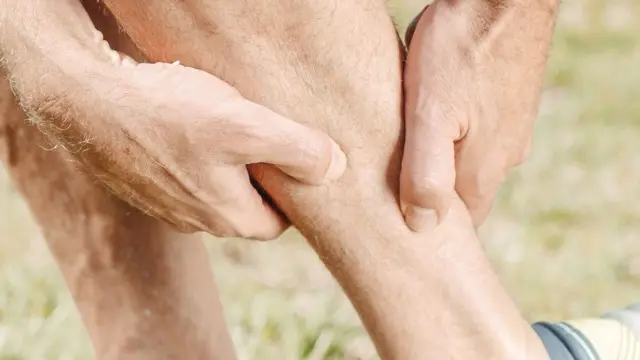
Pregnancy varicose veins can look like swollen, twisted, blue or purple cords on the thighs, behind the knees or on the calves. You might also notice:
- aching, heaviness or tiredness in the legs, worse at the end of the day
- swelling around the ankles
- itching or a burning feeling over the veins
- night cramps or restless legs
- discomfort that improves when you walk or put your feet up
Some swelling and heaviness is a normal part of late pregnancy. What matters is whether the swelling is symmetrical and gradual, or sudden and confined to one leg, which is covered in the safety section below.
Vulvar varicose veins
Vulvar varicose veins are enlarged veins in the vulva, the outer area around the vaginal opening. They happen because the same pelvic pressure and hormone changes that affect your legs also affect veins in the pelvic region, and blood can back up into the veins of the vulva.
What women commonly describe:
- a heavy, full or dragging feeling in the genital area
- visible swollen veins, sometimes with a bluish tint
- discomfort when standing for long or at the end of the day
- sometimes aching during or after sex
Vulvar varicose veins are usually harmless and tend to improve after delivery. They are, however, a good reason to talk to your midwife or obstetrician, who can examine you, confirm the cause and advise on comfort measures and on birth planning. Rest with your hips slightly raised, avoid prolonged standing and ask your care team before using any creams or devices. Bleeding from a vulvar vein is uncommon but needs prompt medical attention.
What is safe to do now
Most self-care for varicose veins in pregnancy is simple, low-risk and sensible whatever the cause:
- Keep moving. Walking switches on your calf muscle pump, which pushes blood back toward the heart. Gentle, regular activity that your pregnancy team approves of is better than long periods in one position.
- Rest with your legs up. Raise your feet above hip level for a while during the day, and sleeping on your side can reduce pressure on the pelvic veins.
- Avoid prolonged standing or sitting. Change position often. If you sit for work, stand and stretch regularly; if you stand, take sitting breaks.
- Avoid crossing your legs for long periods and tight bands around the thigh.
- Stay cool. Heat widens veins. In Singapore and Malaysia, air-conditioned rooms, lighter clothing and cool showers can help with heavy legs.
- Ask about support garments. Some women find graduated support helpful. Fit and suitability matter, so ask your doctor before buying anything.
For general habits that lower the load on your veins, see how to prevent varicose veins. You can also read our guide to the common myths about varicose veins, including the one about waiting until after every pregnancy.
Will they go away after birth?
For many women the answer is partly or mostly yes. After delivery, hormone levels settle, blood volume returns toward normal and the pressure from the womb is gone. Veins that were swollen only because of pregnancy often shrink noticeably over the following months.
That said, the improvement is not guaranteed:
- Veins with permanently damaged valves do not repair themselves.
- Risk builds with each pregnancy, so veins can become more persistent over time.
- A strong family history makes lingering veins more likely.
A reasonable approach is to wait a few months after birth, and after you have finished breastfeeding if that matters for your plans, then reassess. If veins are still visible, achy or swollen, a duplex ultrasound scan can show whether valves are leaking and which treatments, if any, make sense. The options are summarised in varicose vein treatments compared. Treatment of a painful, symptomatic vein at any time, including between pregnancies, is a decision to make with a specialist; for a practical overview of the topic from a Singapore practice, see their page on preventing varicose veins during pregnancy.
When pregnancy varicose veins need attention
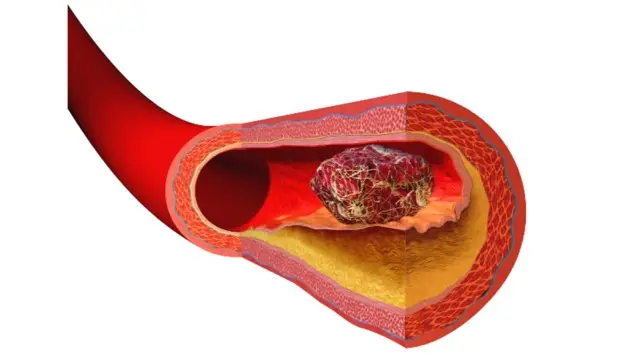
Most varicose veins in pregnancy are an uncomfortable nuisance rather than a danger. Pregnancy does, however, raise the risk of blood clots, so it is important to tell the difference between ordinary vein discomfort and a possible deep vein thrombosis (DVT).
Get same-day medical help for:
- pain, swelling, warmth or redness in one leg, especially the calf
- a hard, tender, red cord in a surface vein
- a vein that is bleeding
- a skin sore near the ankle
Call 995 or go straight to the nearest emergency department if you have sudden chest pain, sudden breathlessness or you cough up blood. These can be signs that a clot has travelled to the lung, which is an emergency.
Long-standing swelling and skin changes are a different issue, described in our overview of chronic venous insufficiency. The NHS and NICE pages listed in the sources explain clot symptoms in more detail.
If swelling or aching bothers you, see our guide to compression stockings in pregnancy.
When to see a doctor
Speak with your midwife, obstetrician or GP if:
- your leg veins are painful, itchy or affecting sleep and daily activity
- you notice swollen veins in the vulva or pelvic area
- swelling is getting steadily worse, or affects your face and hands as well as your legs
- you are unsure whether your symptoms are normal for your stage of pregnancy
See a doctor urgently for one-sided leg pain and swelling, a bleeding vein or a skin ulcer. Call 995 for sudden chest pain, severe breathlessness or coughing up blood.
After delivery, if veins have not settled within a few months or you have skin changes, ankle swelling or aching that keeps coming back, ask your GP about a vein assessment. You can also start with our vein symptom check, which is informational only and does not replace medical advice.
Frequently asked questions
Do varicose veins in pregnancy go away after birth?
Often they improve within a few months of delivery as hormone levels and blood volume return to normal. They do not always disappear completely, especially after several pregnancies or if you have a strong family history. If they are still bothering you after the first few months, a vein assessment can show whether the underlying valves are damaged.
Are varicose veins dangerous for my baby?
Varicose veins in the legs are not known to harm the baby. They are a circulation issue in your legs rather than a problem with the pregnancy itself. The main concern is a blood clot in the leg, which is why one-sided pain and swelling should always be checked promptly.
Can I have varicose vein treatment while pregnant?
Treatment to close veins is generally put off until after delivery and after breastfeeding plans are settled, because veins often improve on their own and the body is under extra strain. Complications such as bleeding or a painful clot in a surface vein are the exceptions, and your doctor will advise on the safest approach.
Are vulvar varicose veins dangerous during labour?
They are usually not a danger, and most women with vulvar veins can plan a normal birth. Tell your midwife or obstetrician so the delivery team knows. Rarely these veins can bleed, which is a reason to be reviewed rather than to worry in advance.
Are varicose veins in pregnancy common in Malaysia and Singapore?
Yes. The same causes apply across Southeast Asia, and warm, humid weather can make legs feel heavier and more swollen. Many women in Malaysia, Singapore and the region notice vein changes during their second and third trimesters.
Sources and further reading
- NICE Clinical Guideline CG168: Varicose veins — diagnosis and management
- European Society for Vascular Surgery (ESVS) 2022 Clinical Practice Guidelines on the Management of Chronic Venous Disease of the Lower Limbs
- NHS — Varicose veins
- NHS — Deep vein thrombosis (DVT)
- NICE Guideline NG158: Venous thromboembolic diseases — diagnosis, management and thrombophilia testing
This article is general information, not personal medical advice. Please speak to a doctor about your own symptoms. How we create our content.