If you are asking how to prevent spider veins, the honest answer starts with a caveat: you can lower your risk and slow things down, but you cannot promise yourself they will never appear. Spider veins are tiny, thread-like red, blue or purple veins close to the skin surface. They are very common, usually harmless, and strongly influenced by things you cannot change.
This guide covers what is and is not in your control, the habits that are reasonable to adopt, and the signs that mean a leg check is worthwhile. For background on what they are, see spider veins: causes and treatment.
Why spider veins form in the first place
Spider veins are small, widened blood vessels. They can develop when the tiny valves or walls of these vessels stop working as well as they used to, so blood pools and the vessel stays enlarged. Several factors make this more likely:
- Family history. If your parents or siblings have spider veins or varicose veins, you are more likely to get them. This is the strongest single factor.
- Age. Vein walls and valves generally lose some resilience over the years.
- Hormones. Pregnancy, the contraceptive pill and menopause-related changes are linked with spider veins in women.
- Long periods of standing or sitting. Jobs that keep you in one position for hours put steady pressure on leg veins.
- Excess weight. Extra weight raises pressure in the leg veins.
- Sun exposure. On the face and legs, long-term sun damage thins the skin and can make small vessels more visible.
- Injury. A knock or surgery can leave a small network of veins behind.
Because several of these are fixed, no routine is a guarantee. What you can do is tilt the odds and reduce the load on your veins.
How can I stop spider veins? Habits that are worth adopting
When people ask how can I stop spider veins, they usually hope for a single trick. There isn’t one, but the following habits are sensible, low-risk and good for general health. Evidence that they prevent spider veins specifically is limited, so think of them as supportive rather than a cure.
Keep moving
Your calf muscles act as a pump, squeezing blood back up towards the heart every time you walk. Regular walking, cycling and swimming keep this pump working. Aim for general activity levels recommended by public health bodies such as the NHS rather than any special leg routine.
Break up long spells in one position
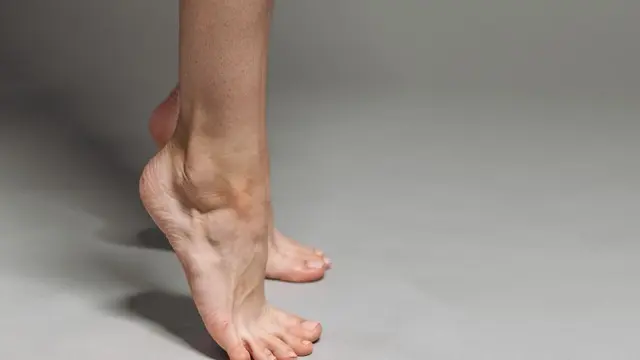
If your day involves standing at a counter or sitting at a desk, change position often. Rise and walk for a couple of minutes, rock up onto your toes, or flex your ankles while seated. Doing this every half hour to hour is a practical rule of thumb.
Maintain a healthy weight
Carrying extra weight increases pressure in the leg veins. Gradual, sustainable weight management is helpful for your veins and for many other aspects of health.
Protect your skin from the sun
For spider veins on the face and legs, sun protection matters. Sunscreen, shade and covering up reduce skin damage over time. Sun damage does not cause all spider veins, but it can make existing ones more noticeable.
Elevate your legs when you can
Resting with your feet raised above hip level for a short time can ease heaviness at the end of the day. It will not prevent spider veins forming, but many people find it comfortable.
Avoid very tight clothing and prolonged heat
Hot baths, saunas and very tight waistbands or boots are often blamed for veins. The evidence is weak, but if you find that heat makes your legs feel heavy, it is reasonable to cool down your routine.
How do I prevent spider veins during pregnancy or on hormones?
Pregnancy is one of the most common times spider veins appear. Blood volume rises, hormones relax vein walls and the growing womb adds pressure. You cannot prevent this entirely, but staying active, resting with your legs up and discussing compression with your midwife or doctor may ease discomfort. Many pregnancy-related spider veins fade in the months after delivery. If you take hormonal medicines and notice new veins or leg pain, mention it at your next review rather than stopping anything on your own.
How to stop spider veins from spreading
It is natural to want to stop the ones you have from multiplying. In practice, spider veins appear gradually over years in people who are prone to them. Treating existing spider veins does not stop new ones forming elsewhere, which is why many people have repeat sessions over time if they want to keep them cleared.
What does help is keeping an eye on the bigger picture. Spider veins are sometimes fed by larger, deeper veins that have valve problems, known as venous reflux. If that underlying vein is not dealt with, the surface network can keep returning. This is another reason a symptom check matters, covered below.
What does not work
Be cautious about claims that a cream, supplement, massage tool or special diet can prevent spider veins. There is no good evidence that these work. Creams may moisturise the skin, but they cannot repair vessels. For the broader picture on creams for visible veins, see do varicose vein creams work?. Spider veins are also different from varicose veins, and the two are compared in spider veins vs varicose veins.
Can compression help?
Compression stockings do not have good evidence as a way to stop spider veins forming. They are most useful when you already have symptoms such as aching, heaviness or swelling, or when a doctor has found underlying vein disease. If that is you, read the compression stockings guide and ask for proper measuring so they fit well.
When spider veins are more than cosmetic
Most spider veins are a cosmetic concern only. But some signs suggest the veins underneath are struggling:
- aching, heaviness, burning or night cramps in the legs
- swelling around the ankles by evening
- a fan of tiny veins around the inner ankle
- itchy, dry or darkened skin on the lower leg
- visible bulging veins as well as spider veins
A vein symptom check can help you decide how urgent this feels, and a doctor can use an ultrasound scan to see whether there is reflux. If you are curious about the options once you have spider veins, read our guides to sclerotherapy and spider vein treatment.
A realistic approach
Think of prevention as a set of small, sustainable habits instead of a cure: move often, avoid long static periods, manage your weight, protect your skin, and pay attention to symptoms. If spider veins appear anyway, that is not a failure. It mostly reflects your genes and your life stage, and good options exist if they bother you.
When to see a doctor
See a doctor if:
- spider veins come with aching, swelling, heaviness or skin changes
- you notice bulging or twisted veins, or a cluster at the ankle
- a vein bleeds, or the skin over it breaks down or ulcerates
- you have a tender, hard, red or warm area along a vein
- one leg suddenly swells, becomes painful or changes colour
Call 995 immediately if you have sudden chest pain, sudden shortness of breath or you cough up blood, especially if you also have a swollen, painful leg. These can be signs of a blood clot that has travelled to the lungs.
If you want to find out who can assess your veins, see how to find a vein specialist. For more on terms used here, visit the glossary.
Frequently asked questions
How can I stop spider veins from getting worse?
You cannot fully stop them, but you can slow the pace. Stay active, avoid standing or sitting for hours without a break, keep a healthy weight, protect your skin from the sun and ask your doctor about compression if your legs ache or swell.
How do I prevent spider veins if they run in my family?
A family history raises your chance, and no habit cancels that out. The same healthy habits still make sense, and it is reasonable to have any aching, swelling or ankle changes looked at early.
How to stop spider veins from spreading?
New spider veins tend to appear over the years, mostly in people who are prone to them. Habits help at the margins, but treatment of the ones you already have does not stop new ones from forming.
Do compression stockings prevent spider veins?
There is little evidence that stockings stop spider veins forming. They are mainly used to ease symptoms such as aching and swelling, and for people with underlying vein disease.
Can spider veins go away by themselves?
Occasionally small ones fade, for example after pregnancy, but most persist. Persistent spider veins that bother you can be treated. See spider vein treatment.
Sources and further reading
This article is general information, not personal medical advice. Please speak to a doctor about your own symptoms. How we create our content.