What are spider veins?
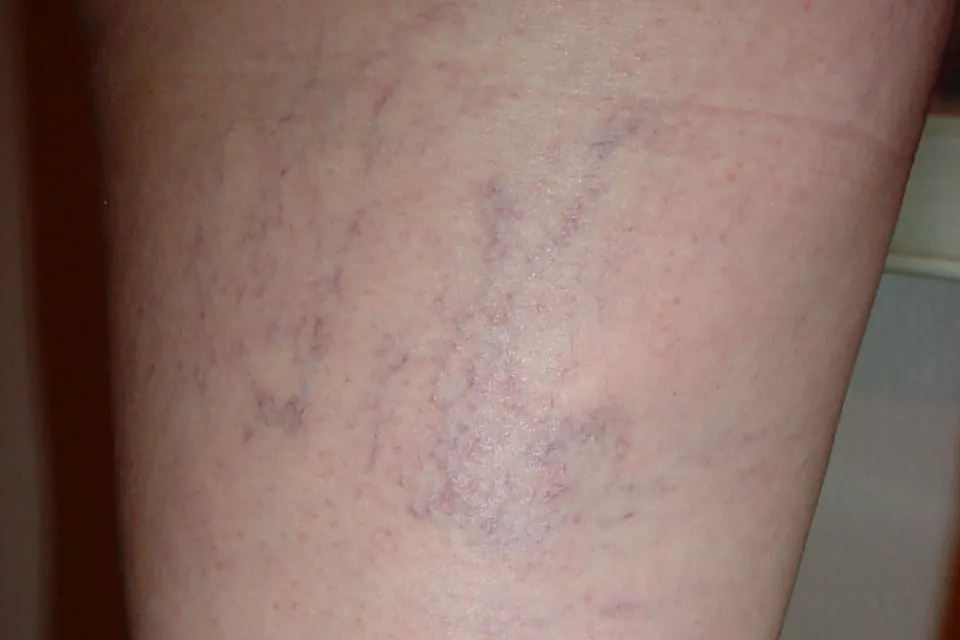
Spider veins are small, widened blood vessels that show through the skin. Doctors call them telangiectasias or, in the vein classification system (CEAP), “C1” disease. People often ask “what are spider veins?” because they look like fine red, blue or purple lines, sometimes branching like a spider’s web or a tree, and sometimes forming a starburst pattern.
Key features:
- Usually under 1 mm wide
- Flat or barely raised
- Most common on the thighs, calves, ankles and sometimes the face
- Often painless, though some people notice burning, itching or aching
They are different from varicose veins, which are larger, raised and rope-like. If you are unsure which you have, read our comparison of spider veins vs varicose veins.
Spider veins on legs: where and how they appear
Spider veins on legs commonly show up on the outer thighs, behind the knees, and around the ankles. Some people notice a fan of tiny blue-purple veins at the inner ankle, sometimes called an ankle flare. This can be an early sign that pressure in the leg veins is raised, so it deserves attention if it comes with other symptoms.
A single “spider leg vein” in one spot is very common and usually nothing to worry about. A growing cluster, or spider veins appearing together with aching or swelling, is more worth getting checked.
What causes spider veins?
There is rarely one reason for spider veins. Several causes tend to add up:
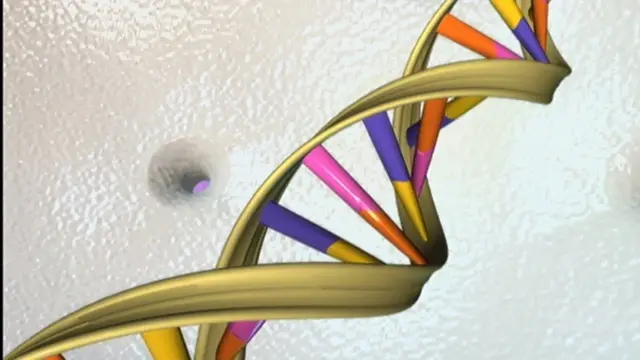
- Family history. This is the strongest factor. If your parents have them, you are more likely to.
- Hormones. Oestrogen and progesterone relax vein walls. Puberty, pregnancy, hormonal contraception and hormone therapy are all associated with spider veins.
- Pregnancy. Blood volume rises and pelvic pressure increases, so spider veins often appear and sometimes fade after delivery.
- Age. Vein walls and valves lose elasticity over time.
- Long hours standing or sitting. Common among teachers, nurses, retail, F&B and office workers.
- Excess weight. Extra weight raises pressure inside leg veins.
- Sun exposure. Especially for spider veins on the face.
- Past injury or surgery. Occasionally a vein injury triggers local spider veins.
If you were wondering what causes spider veins on legs in particular, the list is the same, with pressure from gravity and standing playing a bigger role in the lower body.
Reasons for spider veins: what is going on inside?
In many people, tiny skin veins widen because the pressure inside them is higher than normal. That pressure often comes from leaking valves in a slightly larger vein below, a “feeder” vein that is not visible from the outside. Imaging with duplex ultrasound can find these. In other people, hormones or genetics alone are enough, with no deeper problem.
This is why two people with identical-looking spider veins can need quite different management.
Are spider veins dangerous?
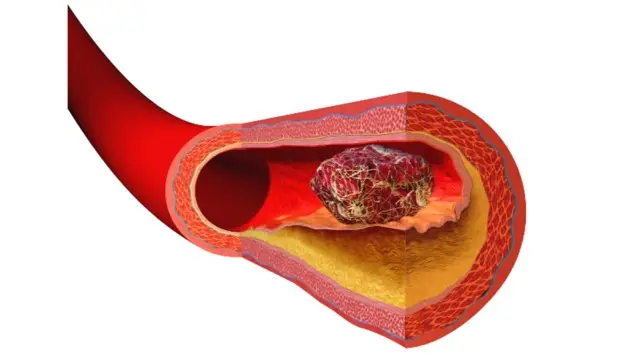
For most people, no. Spider veins are tiny and do not usually cause bleeding, clots or ulcers. They are mostly a cosmetic concern, though some find them uncomfortable.
They become more significant when:
- They come with aching, heaviness, throbbing or swelling in the legs
- There are skin changes at the ankle, such as darkening, dryness or itching
- The ankle flare or clusters keep growing
- You also have visible bulging varicose veins
In those cases, spider veins can signal venous reflux in deeper veins, and a duplex ultrasound will show whether treating the underlying vein is needed. You can read about the bigger picture in our guide to varicose veins.
How spider veins are assessed
A doctor will look at your legs while you stand, ask about symptoms and family history, and often arrange a painless duplex ultrasound if symptoms or signs suggest reflux. If the scan is normal and the veins are purely surface vessels, treatment is a personal choice for appearance rather than a medical necessity.
Can spider veins be treated?
Yes. Options include injections (see our guide to sclerotherapy), laser and other light-based devices, and small-needle techniques. Compression stockings can ease aching but do not remove existing spider veins. Our guide to spider vein treatment compares the choices and explains what to expect.
Treating spider veins does not stop new ones from forming, so some people need top-up sessions. Everyday habits such as preventing varicose veins apply to spider veins too: move regularly, avoid standing still for hours, and keep a healthy weight.
In Singapore, treatment of spider veins purely for appearance is generally not covered by MediSave or insurance, whereas treatment of symptomatic reflux often can be. See the cost guide for details.
Living with spider veins: what helps day to day
Nothing at home will remove existing spider veins, but a few habits can ease discomfort and may slow new ones:
- Move often. Walking activates the calf muscle pump that pushes blood upwards. If you stand or sit for work, change position and walk for a few minutes every hour.
- Raise your legs. Resting with your legs above heart level for 15 to 20 minutes can ease heaviness.
- Consider compression. Graduated stockings can reduce aching and swelling, though they do not clear the veins. Get fitted properly, and ask a doctor first if you have poor leg circulation or diabetes.
- Protect your skin. Daily sunscreen helps prevent facial spider veins.
- Keep a healthy weight. Less weight means less pressure on leg veins.
None of these are cures, and creams or supplements sold for spider veins have no good evidence of removing them. If appearance bothers you, a doctor can discuss safe options.
Spider veins in different groups
Spider veins are especially common in women, partly because of hormones, and they often appear or worsen during pregnancy. Men get them too, and they can start in the teens and twenties in people with a strong family history. In Singapore and the region, warm weather and long working hours on your feet may make symptoms more noticeable, because heat widens veins and standing increases the pressure inside them.
See also: spider veins on the face and what spider vein removal costs.
When to see a doctor
Book a vein assessment if:
- Your legs ache, feel heavy or swell, especially by the end of the day
- Spider veins are spreading quickly or clustering around the ankle
- You see skin colour changes, eczema-like patches, or a sore that is slow to heal
- You also have bulging, rope-like veins
- You are not sure what you have
You can try our two-minute vein symptom check first, or read about finding a vein specialist.
When it’s an emergency: sudden pain, swelling, warmth or redness in one leg may be a deep vein thrombosis. If it comes with breathlessness, chest pain or coughing up blood, call 995 or go to the nearest emergency department immediately.
Frequently asked questions
Are spider veins dangerous?
Usually no. Spider veins on their own are tiny surface vessels and rarely cause health problems. However, they can occur alongside venous reflux in deeper veins, so if you also have aching, heaviness, swelling or skin changes, it is worth getting checked.
Can spider veins go away on their own?
Occasionally small ones fade, for example after pregnancy, but most persist or slowly increase. Treatment is available if they bother you.
What causes spider veins on legs?
A mix of inherited tendency, hormonal changes, age, pregnancy, prolonged standing or sitting and sun exposure. Often several factors act together.
Do spider veins mean I will get varicose veins?
Not necessarily. They share risk factors, and some people have both, but many people with spider veins never develop varicose veins.
Can I prevent spider veins?
You cannot change your genes, but staying active, avoiding long unbroken periods of standing, maintaining a healthy weight and protecting skin from the sun may help.
Sources and further reading
This article is general information, not personal medical advice. Please speak to a doctor about your own symptoms. How we create our content.