Edema is one of those medical words people meet on a doctor’s note or a test result and then search to understand. This page explains the edema meaning in plain English, the different types you may hear about, why it happens, and when the cause is a vein problem rather than something else. It is general education and cannot diagnose you.
Call 995 straight away if swelling comes with sudden breathlessness, chest pain, coughing up blood or fainting. Get urgent medical care the same day for swelling in one leg that is sudden, painful, warm or discoloured, or swelling with fever and spreading redness.
What is edema? The meaning of oedema
When people ask what is edema, the short answer is fluid in the wrong place. Tiny blood vessels called capillaries normally keep a careful balance, holding fluid in while letting nutrients through. If pressure inside the vessels rises, if the proteins that hold fluid in the blood fall, or if the lymph system that drains fluid is not working well, extra fluid leaks into the tissue and stays there.
Oedema meaning is exactly the same: oedema is simply the British spelling. You will see both on Singapore and international health sites. In everyday language, “swelling” often describes the same thing, but the term swelling can also mean a lump or an inflamed joint, so doctors use oedema when they mean a general build-up of fluid.
Typical signs include:
- Puffy or stretched, shiny skin
- Shoes, socks, rings or waistbands that feel tighter than usual
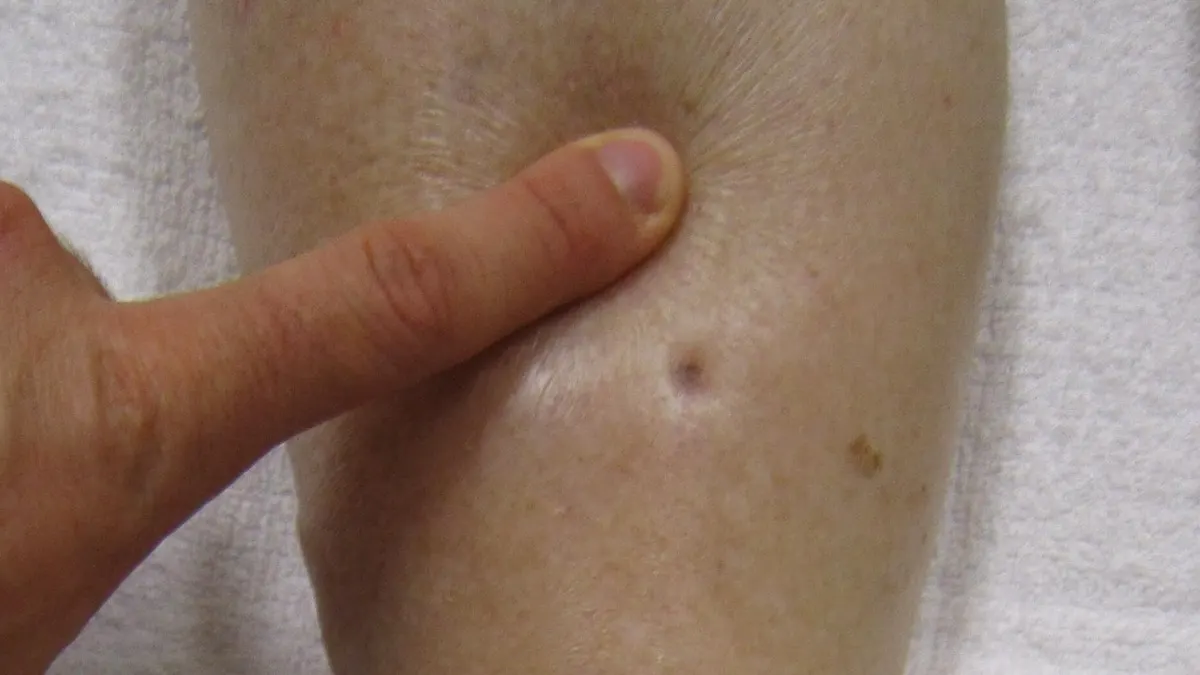
- A dent that stays for a few seconds after pressing (pitting)
- Heavy or stiff limbs
- Weight that goes up over a few days without a change in eating
Types of edema you may hear about
Doctors use several descriptive terms. They tell you where the fluid is or how it behaves, not what caused it.
Pitting and non-pitting. In pitting edema, pressing a finger into the swollen area leaves a dent. In non-pitting edema, the skin feels firm and does not dent. Non-pitting swelling can happen with lymph problems or long-standing swelling and sometimes needs different tests.
Peripheral edema. This is swelling in the limbs, most often both legs. Peripheral edema is the term used most when the cause is general, such as a heart, kidney or vein condition.
Pedal edema. Pedal means “of the foot”. Pedal edema is swelling of the feet and ankles, and is often the first place fluid shows because gravity pulls it down.
Localised edema. Swelling in one area only, for example after an injury, an insect bite, an infection or a clot in one leg.
Generalised edema. Fluid throughout the body, which can show in the legs, belly, hands and face. This pattern points toward a whole-body cause, so it is important to have it assessed.
Edema in legs: why it happens
Because of gravity, edema in legs is by far the most common place people notice it. Words like edematous legs appear in medical notes when a doctor sees puffy, fluid-filled lower limbs. Common reasons include:
- Standing or sitting for long periods, such as at a desk, behind a counter or on a long flight
- Hot, humid weather, which is a regular factor in Singapore and the region and makes blood vessels relax
- Pregnancy, from extra fluid and pressure on pelvic veins
- Certain medicines, including some blood pressure tablets, anti-inflammatory painkillers, steroids and some diabetes medicines. Never stop a prescribed medicine without advice
- Weight gain and low activity
- Weak vein valves in the legs, known as chronic venous insufficiency
For the leg-specific picture, including how it feels and when it matters, see our guide to leg swelling and the page on swollen ankles.
When oedema in the legs is a vein problem
Veins carry blood back to the heart against gravity, helped by one-way valves and the squeeze of the calf muscles. If valves fail, blood drifts backward and pools, pressure in the vein rises and fluid is pushed into the tissue. This is a very common cause of long-term oedema in the legs, especially in people who stand or sit a lot or who have a family history.
Clues that veins are involved:
- Both legs, or one more than the other, swell towards evening and improve overnight
- Visible varicose veins or fine spider veins near the ankle
- Aching, heaviness or itching
- Brownish skin discolouration or dry, eczema-like patches near the ankle
Vein-related swelling is assessed with a painless ultrasound scan and is often treatable. If you think this is you, the vein symptom check is a reasonable first step before seeing a doctor.
When edema points to the heart, kidneys, liver or lymph system
Not all swelling starts in the veins. Some patterns suggest other causes:
- Heart. In heart failure the heart pumps less effectively and fluid backs up. Both legs swell, often with breathlessness, tiredness or needing extra pillows to sleep.
- Kidneys. Puffiness around the eyes in the morning as well as in the legs can be a clue.
- Liver. Fluid can collect in the legs and the belly.
- Lymph system. Lymphoedema is persistent swelling when lymph drainage is damaged or blocked, sometimes after surgery or radiotherapy.
- Low blood protein or thyroid problems. These can change how fluid is held in the body.
Because these causes overlap, a doctor looks at the whole picture: your history, medicines, heart and lungs, and sometimes blood tests, a urine test or scans.
One leg or both: a quick guide
| Pattern | What it may suggest |
|---|---|
| Both legs, worse by evening, better overnight | Gravity, heat, vein valve weakness |
| One leg, sudden, painful or warm | Possible clot, infection or injury: needs prompt assessment |
| Both legs with breathlessness or tiredness | Possible heart or lung cause |
| Swelling with puffy eyes or face | Possible kidney cause |
| Started after a new medicine | Possible medicine effect |
This table is a guide only, and overlap is common.
What to do about edema
The right approach depends on the cause. A doctor may adjust a medicine, treat a heart, kidney or liver condition, treat an infection or treat faulty veins. For everyday swelling, simple steps such as moving regularly, raising the legs and avoiding long periods in one position often help. Our guide on how to reduce leg and ankle swelling and the page on water retention in legs and feet cover this in more detail. Compression stockings can help some people with vein-related swelling, but should be checked with a doctor first if you have heart, artery or skin problems; see the compression stockings guide. Unfamiliar terms are explained in the glossary.
When to see a doctor
Call 995 if swelling comes with sudden trouble breathing or chest pain, or if you cough up blood or feel faint.
Seek urgent care the same day if:
- One leg is suddenly swollen, painful, warm or discoloured (a possible blood clot; see deep vein thrombosis)
- The swollen area is hot, red and spreading, or you have a fever
- You are pregnant and have sudden swelling of the face and hands, a severe headache or changes in vision
- A skin wound or ulcer is not healing
See a doctor soon if swelling is new, keeps coming back, is getting worse, does not ease overnight, or comes with aching, skin changes or visible veins. Your GP can examine you, review your medicines and refer you onward. See find a vein specialist for how to look for one.
This page is educational and does not replace personal medical advice.
Frequently asked questions
What does edema mean?
Edema means swelling caused by extra fluid collecting in the tissues beneath the skin. In British and Singapore medical usage it is usually written oedema. The word describes what is happening, not why, so the cause still needs to be worked out.
What is the difference between edema and oedema?
Nothing in meaning. Edema is the American spelling and oedema is the British spelling. Both describe fluid build-up in tissue.
What is pitting edema?
Pitting edema is swelling that keeps a dent for a few seconds after you press on it with a finger. It is common with fluid build-up in the legs and is one clue doctors use, though it does not identify the cause by itself.
Is edema in the legs serious?
It depends on the cause. Mild swelling after a long day or flight is often harmless. Swelling that is new, persistent, one-sided, painful or accompanied by breathlessness can point to a clot, infection or heart, kidney or liver condition and should be checked.
Can varicose veins cause edema?
Yes. When vein valves are weak, blood pools in the leg and pressure inside the veins rises, pushing fluid into the surrounding tissue. This is a common reason for ankle and lower leg swelling that is worse by evening.
Sources and further reading
This article is general information, not personal medical advice. Please speak to a doctor about your own symptoms. How we create our content.