Pulmonary embolism treatment aims to do three things: stop the clot from growing, protect the lungs and heart while the body clears it, and lower the chance of another clot forming. A pulmonary embolism (PE) is a blood clot that blocks an artery in the lungs, and it is a medical emergency. This page explains what treatment usually involves, how it differs between mild and severe cases, and what recovery looks like. It is general education and not a substitute for care from your own medical team.
Think you may have a pulmonary embolism? Call 995 now. Sudden chest pain, sudden breathlessness, coughing up blood, or feeling faint are emergency signs. Do not drive yourself, and do not wait to see if it settles. Treatment works best when it starts early.
How pulmonary embolism treatment starts
When doctors suspect a PE, treatment is often started straight away, sometimes before every test result is back. This is because delay carries risk, and the usual first-line medicine is generally safe to begin while the diagnosis is being confirmed. Diagnosis itself typically involves a clinical risk assessment, a blood test in some people, and a scan of the lung arteries. Our guide to pulmonary embolism symptoms, causes and diagnosis covers that stage.
Your care team will also check how well your heart and lungs are coping, your oxygen level and your blood pressure. These findings help decide whether you need to be admitted, how closely you are monitored and whether anything beyond standard treatment is needed.
Blood thinners: the foundation of treatment
For nearly everyone with a PE, anticoagulant medicine, commonly called blood thinners, is the core treatment. These medicines do not dissolve the clot. They stop it getting bigger and prevent new clots from forming, which gives your body’s own clot-clearing system time to break the existing clot down.
Different anticoagulants exist, including tablets taken by mouth and injections given under the skin. Which one is chosen depends on your kidney function, other medicines, pregnancy, cancer, body weight and personal preference, among other factors. Your doctor and pharmacist will explain the specific medicine, how to take it and what to watch for. We deliberately do not discuss doses here, because they are individual and must come from your treating team.
Key practical points:
- Take it exactly as prescribed. Missing doses or stopping early raises the risk of the clot returning.
- Tell every doctor, dentist and pharmacist that you are on a blood thinner before any procedure or new medicine.
- Know the bleeding warning signs. Blood thinners increase the chance of bleeding, so unusual bruising, nosebleeds that will not stop, black or bloody stools, or heavy bleeding need prompt medical advice.
- Check before using supplements. Some herbal products and pain relievers can interact with anticoagulants.
For a closer look at the same medicines in the leg-clot setting, see deep vein thrombosis treatment.
Pulmonary embolism treatments for severe cases
Most people do not need more than anticoagulants and supportive care. A minority have a large or high-risk clot that is straining the heart or lowering blood pressure. For these patients, doctors may consider more intensive pulmonary embolism treatments:
- Thrombolysis (clot-dissolving medicine). Given through a drip, it breaks up the clot faster than blood thinners alone. Because it carries a meaningful risk of serious bleeding, it is generally kept for life-threatening situations.
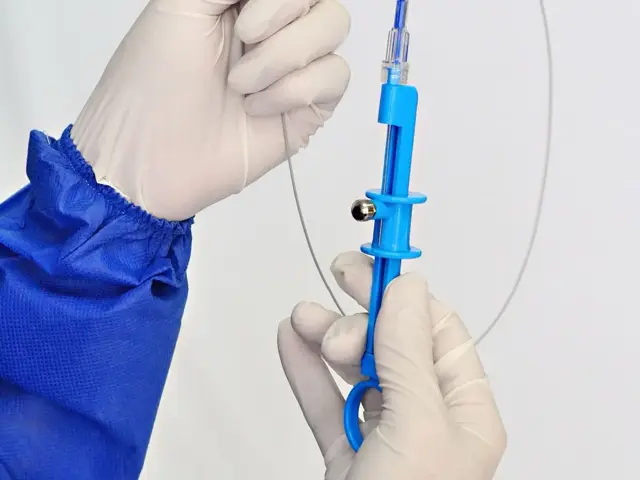
- Catheter-based treatment. A specialist threads a thin tube into the lung arteries to break up or remove the clot, or to deliver clot-dissolving medicine directly to it. Availability varies by hospital.
- Surgical removal. Rarely, an operation to remove the clot is used when other options are unsuitable or have not worked.
- Oxygen and supportive care. If oxygen levels are low, extra oxygen is given. Severe cases may need intensive care monitoring.
These options are decided by hospital specialists on a case-by-case basis. They are not routine, and the fact that someone needs one does not mean they will not recover.
Treatment for a pulmonary embolism in the lung when blood thinners cannot be used
Some people cannot safely take anticoagulants, for example because of active bleeding or a very high bleeding risk, and yet still have clots in the leg veins. In selected cases, doctors may place a small filter in the large vein of the abdomen (an inferior vena cava filter) to catch clots before they reach the lungs. A filter does not treat the underlying clotting tendency, and many are intended to be temporary, so they are generally used only when anticoagulation is not possible. This is a specialist decision.
What to expect in hospital and afterwards
The length of a hospital stay varies. Some people go home within a day or two once they are stable and a treatment plan is in place; others stay longer if the clot is larger or if they have other health problems. Around discharge you should be told:
- which medicine to take and for how long you are expected to take it;
- when your next appointment is;
- which symptoms should send you back to hospital.
Breathlessness and tiredness can linger for weeks or months. Most people improve steadily, and gentle activity, as advised by your doctor, usually helps recovery. Some people continue to have breathlessness or reduced stamina for longer, and this deserves a follow-up conversation rather than quiet endurance.
How long does treatment last?
Anticoagulant treatment generally continues for at least three months. At that point your doctor reviews the situation. The decision about stopping or continuing depends on:
- Why the clot formed. A clot with a clear temporary trigger, such as major surgery or a period of immobility, often needs a shorter course than a clot with no obvious cause.
- Ongoing risks. Active cancer, certain inherited or acquired clotting conditions, or a previous clot can favour longer treatment.
- Bleeding risk. This is weighed against the benefit of staying on treatment.
Some people continue for many months or longer. Never stop a blood thinner on your own because you feel well.
Reducing the chance of another clot
Treatment is not only about the clot you already have. Practical steps that help include staying active and avoiding long periods of sitting, keeping a healthy weight, not smoking, drinking enough fluids on long journeys, and following any clot-prevention plan around future surgery or hospital stays. Our guide to how to prevent DVT sets these out. Pregnancy, hormone treatments and travel are worth discussing with your doctor if you have had a PE.
If a leg clot was the source, you may also be wondering how stockings fit in. We explain the evidence in compression stockings for blood clots. Many people also ask whether home remedies can help; the honest answer is in can you dissolve blood clots naturally.
When to see a doctor
Call 995 immediately if you have sudden shortness of breath, sudden chest pain, coughing up blood, fainting or a racing heartbeat, especially with a swollen or painful leg, recent surgery, a long journey, cancer, pregnancy or a past clot. This applies even if you are already being treated for a PE.
If you are on treatment for a PE, see your doctor promptly for:
- bleeding that does not stop, black stools, blood in urine or vomit, or a severe headache after a knock to the head (the last of these is an emergency, so call 995);
- new or worsening leg swelling or pain;
- breathlessness that is not improving as expected;
- questions about missed doses, new medicines or planned procedures.
Pulmonary embolism treatment is effective, and most people who receive it go on to recover. The key is recognising the warning signs early and acting on them without delay.
Frequently asked questions
What is the main treatment for a pulmonary embolism?
Anticoagulant medicine, often called blood thinners, is the mainstay. It does not dissolve the clot directly. It stops the clot getting bigger and prevents new clots, giving the body time to break the existing one down naturally.
Do all pulmonary embolisms need hospital treatment?
Many people start treatment in hospital, at least initially. Some people with a smaller, lower-risk clot may be managed with a short stay or, in selected cases, at home with close follow-up. The decision is made by the treating doctor after assessment, not by the patient.
What is the treatment for a pulmonary embolism in the lung that is very large or unstable?
When a clot is large enough to strain the heart or lower blood pressure, doctors may use clot-dissolving medicine (thrombolysis) or a procedure to remove or break up the clot. These carry a higher bleeding risk, so they are used only when the benefit clearly outweighs it.
How long does pulmonary embolism treatment last?
Anticoagulant treatment generally continues for at least three months. After that your doctor reviews whether to stop or carry on, depending on the cause of the clot, your risk of another one and your bleeding risk.
Can a pulmonary embolism be treated at home with natural remedies?
No. Diet, supplements and home remedies cannot treat a pulmonary embolism. It needs medical assessment and prescribed treatment.
Sources and further reading
This article is general information, not personal medical advice. Please speak to a doctor about your own symptoms. How we create our content.