If you are searching for “how long before a pulmonary embolism kills you”, you are probably frightened, either because of symptoms you have right now or because someone you love has had a clot. This page gives you a calm, honest answer. In short, there is no safe waiting time, and a pulmonary embolism is treatable when it is caught early.
If you have sudden breathlessness, sudden chest pain, coughing up blood, fainting or a racing heartbeat, call 995 now. Do not drive yourself and do not wait to see if it passes. Emergency teams can begin care on the way to hospital.
What is a pulmonary embolism?
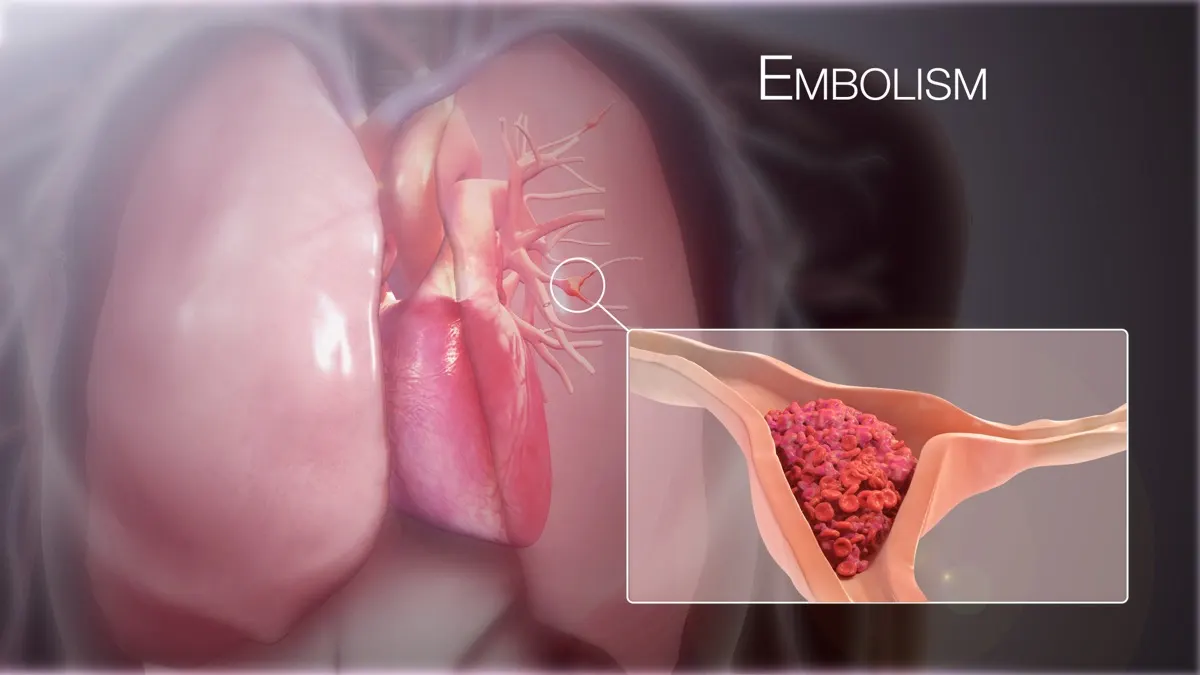
A pulmonary embolism (PE) is a blood clot that blocks an artery in the lungs. Most start as a clot in a deep leg vein, called deep vein thrombosis (DVT), that breaks off and travels through the heart to the lungs. The blockage can reduce the oxygen reaching your body and make the heart work harder. For the full picture, see our guide to pulmonary embolism symptoms and causes.
How long before a pulmonary embolism becomes life-threatening?
Nobody can give a dependable number, and anyone who offers one is guessing. The reasons are practical:
- Clots vary in size. A small clot in a small lung artery may cause mild symptoms. A large clot blocking a main artery can cause collapse.
- Clots can be followed by more clots. A person may feel only mildly unwell, and then a further piece of clot lodges in the lungs.
- Your general health matters. Existing heart or lung disease can make even a moderate clot harder to tolerate.
- Symptoms do not predict severity. Someone with mild-seeming symptoms can have a serious clot, and the reverse can also happen.
So the useful answer is not a countdown. A pulmonary embolism can develop over days or, in severe cases, deteriorate within minutes to hours. Because it is impossible to know at home which pattern you are in, the safe approach is to treat every suspected PE as urgent.
We have not quoted death rates here. Published figures vary widely with the group studied, the severity of the clot and how quickly treatment started, and a single number can mislead more than it helps. What can be said with confidence is that outcomes are generally much better when a PE is diagnosed and treated promptly.
The reassuring part: treatment works
It is easy to read only the frightening parts. Please also take in this: most people who reach medical care and are diagnosed with a PE are treated successfully and go on to recover. Treatment, usually with anticoagulant medicine (blood thinners), stops the clot growing and prevents new ones while the body clears the clot. Severe cases can receive stronger treatments in hospital. You can read what that involves in pulmonary embolism treatment.
Warning signs that need emergency care
Symptoms can include:
- sudden shortness of breath, at rest or with minimal effort;
- chest pain, often sharp and worse when you breathe in;
- coughing, sometimes with blood-streaked phlegm;
- feeling dizzy, light-headed or faint;
- a fast or irregular heartbeat;
- sweating or a sense that something is seriously wrong;
- signs of a leg clot, such as one swollen, painful, warm or red leg.
You do not need to have all of these. Even one, if it is sudden and unexplained, is reason enough to call 995. If you notice leg signs only, learn more about blood clot in leg symptoms and seek urgent medical review the same day.
Why people delay, and why that is risky
Delay is understandable. Many people tell themselves it is anxiety, a chest infection, indigestion or a pulled muscle. Some do not want to make a fuss. Others have mild symptoms that come and go. A few things to keep in mind:
- It is far better to be checked and told it is something else than to wait and be wrong.
- Anxiety can cause breathlessness and chest tightness, but you cannot reliably tell it apart from a PE at home.
- Feeling better after a short while does not prove the clot is gone.
Who is at higher risk?
Risk is higher after surgery or injury, during or after a hospital stay, with long periods of immobility or long-haul travel, with cancer or cancer treatment, during pregnancy and the weeks after birth, with hormone-containing medicines, with obesity or smoking, and after a previous clot or with a family history of clots. If any of these apply and you develop new breathlessness or chest pain, take it seriously. To lower your own risk, see how to prevent DVT and the overview of deep vein thrombosis.
Supporting someone else who may have a pulmonary embolism
If you are with a person who has sudden breathlessness or chest pain, call 995 first, then stay with them. Help them sit in whatever position makes breathing easiest, loosen tight clothing and keep them calm and still, since exertion increases the strain on the heart. Do not give food, drink or medicines unless the emergency operator tells you to. If they collapse or stop responding normally, follow the operator’s instructions, who can guide you step by step. Have the key facts ready: when symptoms began, any recent surgery or travel, known clots, cancer, pregnancy and the medicines they take.
What happens when you call for help
The emergency team will ask about your symptoms and any clot risk factors, check your oxygen level, heart rate and blood pressure, and may start oxygen. At hospital, doctors usually assess the likelihood of a clot, may arrange blood tests and a scan of the lung arteries, and may begin anticoagulant treatment even before results return, if the suspicion is high. Being able to tell them about recent surgery, travel, medicines and past clots helps them act faster.
When to see a doctor
Call 995 immediately if you or someone with you has sudden breathlessness, sudden chest pain, coughs up blood, faints or has a racing heartbeat, particularly with a swollen or painful leg, recent surgery, a long journey, cancer, pregnancy or a past clot. Do not drive yourself, and do not wait to see whether symptoms improve.
See a doctor promptly, the same day where possible, if you have:
- one leg that is newly swollen, painful, warm or red;
- unexplained breathlessness that is gradually getting worse;
- mild chest discomfort that you cannot explain, particularly with any risk factor above;
- a previous pulmonary embolism and new symptoms that worry you.
If you are unsure, err on the side of caution. A pulmonary embolism is serious, but it is also one of the conditions where fast action makes the biggest difference.
Frequently asked questions
How long can you have a pulmonary embolism before it becomes dangerous?
There is no reliable timeline. Some people have symptoms for days that gradually worsen, while others deteriorate suddenly. Because no one can predict which course it will take, any suspected pulmonary embolism should be assessed urgently.
Can a pulmonary embolism go away on its own?
The body can break down small clots over time, but you cannot know that is happening, and a small clot can be followed by a larger one. Untreated clots carry a real risk of serious harm, so waiting to see is not safe.
Can you have a pulmonary embolism and not know it?
Yes. Some are small and cause mild or vague symptoms that are mistaken for a chest infection, anxiety or a muscle strain. That is another reason to get new unexplained breathlessness or chest pain checked.
Is a pulmonary embolism always fatal?
No. Many people recover well, especially when it is treated promptly. It can be life-threatening, which is why it is treated as an emergency.
What should I do if I think I have a pulmonary embolism?
Call 995 straight away. Stay as calm and still as you can, tell the operator about any leg swelling, recent surgery, long journeys, cancer, pregnancy or past clots, and do not drive yourself to hospital.
Sources and further reading
This article is general information, not personal medical advice. Please speak to a doctor about your own symptoms. How we create our content.