Is chronic venous insufficiency dangerous?
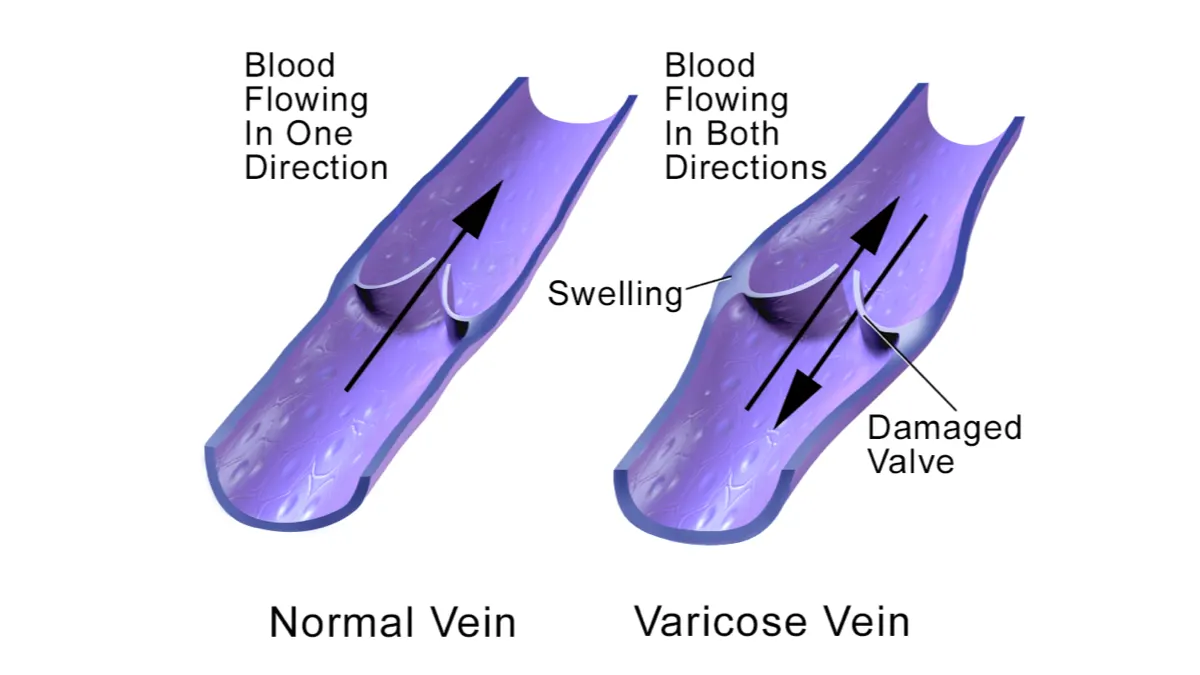
For most people, no. Chronic venous insufficiency (CVI) is a long-term condition in which faulty valves let blood leak backwards in the leg veins. It is common, usually progresses slowly, and is not generally life-threatening. But it is not always harmless either, and understanding the difference can take away a lot of worry.
If you want the basics first, read our overview of chronic venous insufficiency.
Can you die from chronic venous insufficiency?
Death directly caused by CVI is very uncommon. People often search “is chronic venous insufficiency fatal” or “chronic venous insufficiency death rate” after reading something alarming, so it helps to separate three things:
- CVI itself. A condition of the leg veins that affects comfort, skin and mobility.
- Blood clots in the deep veins (DVT). A different condition that can happen to anyone, and that can lead to a clot travelling to the lungs (pulmonary embolism). This is an emergency.
- Severe complications of neglected disease, such as a badly infected ulcer.
CVI is not a clot, and having it does not mean a clot is about to travel to your lungs. However, a past DVT can damage valves and cause CVI later, and the two conditions can overlap. That is why sudden one-sided leg swelling should always be checked urgently.
Life expectancy
There is no good evidence that CVI on its own shortens life expectancy for most people. Your general health, age, heart and lung conditions matter far more. What CVI can do is reduce quality of life through aching, swelling, poor sleep and limited activity, particularly in more advanced stages.
What are the real risks?
The main concerns are to your legs and skin. As reflux persists and pressure stays high, some people develop:
- Persistent swelling around the ankles
- Skin changes such as brown discolouration, eczema and hardening (lipodermatosclerosis)
- Venous ulcers, open sores near the ankle that can take weeks or months to heal and may recur
- Infection of the skin (cellulitis) or of an ulcer
- Bleeding from a surface varicose vein that is knocked or scratched
- Superficial thrombophlebitis, a painful, hard cord caused by a clot in a surface vein
Most people with CVI never develop an ulcer. The risk is higher with advanced disease, long-standing reflux, obesity and reduced mobility.
Warning signs that need attention
- A sore on the lower leg that is not healing within a few weeks
- Redness, heat, spreading pain or fever around the leg or an ulcer
- Skin turning dark, hard or shiny near the ankle
- A tender, hard, red cord along a vein
- Bleeding from a vein
When it’s an emergency: sudden pain, swelling, warmth or redness in one leg can be a deep vein thrombosis. If you also have breathlessness, chest pain or cough up blood, call 995 or go to the nearest emergency department immediately.
How to lower your risk of complications
Evidence supports several steps:
- Get a proper assessment. A duplex ultrasound scan shows which veins are leaking.
- Stay active. Walking works the calf pump.
- Use compression if advised. See our compression stockings guide.
- Consider treating the vein. Closing a leaking vein can reduce pressure in the leg. Read about venous insufficiency treatment.
- Protect your skin. Moisturise, treat cuts early and avoid scratching.
- Keep a healthy weight.
Putting the numbers in perspective
Chronic venous disease is very common worldwide, and most people with it have mild forms such as spider veins, varicose veins or mild swelling. Only a minority progress to the advanced stages with skin damage or ulcers. When complications do happen, they are usually treatable. That is why the practical message is not to panic, but to get your legs assessed if you have symptoms, particularly skin changes.
Anxiety about the condition is understandable, especially after reading alarming headlines. If you have a clear diagnosis from a duplex scan and a plan from your doctor, the outlook for most people is good.
When to see a doctor
See a doctor if you have swelling most days, skin changes at the ankle, a sore that will not heal, or symptoms that disrupt your sleep or work. If you are unsure, use the vein symptom check or learn how to find a vein specialist.
If an ulcer shows signs of infection or you have fever and a rapidly worsening red, hot, painful leg, seek urgent care. If you have chest pain, sudden breathlessness or coughing up blood, call 995.
Frequently asked questions
Is venous insufficiency dangerous?
For most people it is a chronic, manageable condition rather than a dangerous one. It can reduce quality of life and, if left untreated for years, may cause skin damage and ulcers. It rarely threatens life directly.
Can you die from chronic venous insufficiency?
Dying directly from CVI is very unlikely. The serious events people worry about, such as a pulmonary embolism from a deep vein clot, are separate conditions that need emergency care. A badly infected or neglected ulcer can also become serious, which is why early care matters.
Does chronic venous insufficiency affect life expectancy?
CVI on its own is not generally regarded as shortening life expectancy. Overall health, age and other conditions matter more. If you are worried about your own situation, discuss it with your doctor.
Is chronic venous insufficiency fatal if left untreated?
It is not usually fatal, but untreated disease can progress and lead to ulcers that are painful, slow to heal and prone to infection. Treating the leaking vein and using compression lowers that risk.
Sources and further reading
This article is general information, not personal medical advice. Please speak to a doctor about your own symptoms. How we create our content.