Varicose veins stages at a glance
Doctors do not usually talk about “early” or “late” varicose veins. Instead they grade what they can see and feel on the leg using the CEAP classification. The “C” part (for clinical) runs from C0 to C6, and these are the varicose veins stages most specialists mean when they ask which stage you are at.
| Stage | What you may see or feel |
|---|---|
| C0 | No visible or touchable signs, but symptoms such as aching or heaviness |
| C1 | Spider veins (telangiectasia) or small reticular veins |
| C2 | Varicose veins: enlarged, twisted veins 3 mm or more across |
| C3 | Swelling (oedema) of the ankle or leg |
| C4 | Skin changes such as darkening, eczema or hardened skin |
| C5 | Skin changes with a healed venous ulcer |
| C6 | Skin changes with an active, open venous ulcer |
The stages describe how far chronic venous disease has affected the leg. They are not a countdown. Many people stay at C1 or C2 for years, and a few have symptoms with very little to see.
CEAP classification: what the letters mean
CEAP is an international system used by vein specialists so that everyone describes legs the same way. The letters stand for:
- Clinical signs (the C0 to C6 grades above)
- Etiology, meaning the cause (primary, secondary, or congenital)
- Anatomy, meaning which veins are involved (surface, deep or connecting veins)
- Pathophysiology, meaning whether the problem is reflux, obstruction or both
You may also see a letter added to the clinical grade: “A” if you have symptoms and “S” if you do not. A report might say C2s, for example, which means varicose veins with symptoms.
Most patients only need to remember the C number. The rest is recorded after a duplex ultrasound scan.
Stage C0 and C1: early signs
At C0 you may feel aching, heaviness, itching or night cramps, but the examination looks normal. The leg can feel worse in warm weather or after a long day on your feet. Symptoms like these have many causes, so C0 is often a diagnosis of exclusion.
At C1 you can see fine red, blue or purple lines (spider veins) or slightly larger blue-green reticular veins. These are often cosmetic, but they can sit above leaking veins deeper down, so they are sometimes worth scanning if you also have symptoms.
Stage C2: varicose veins
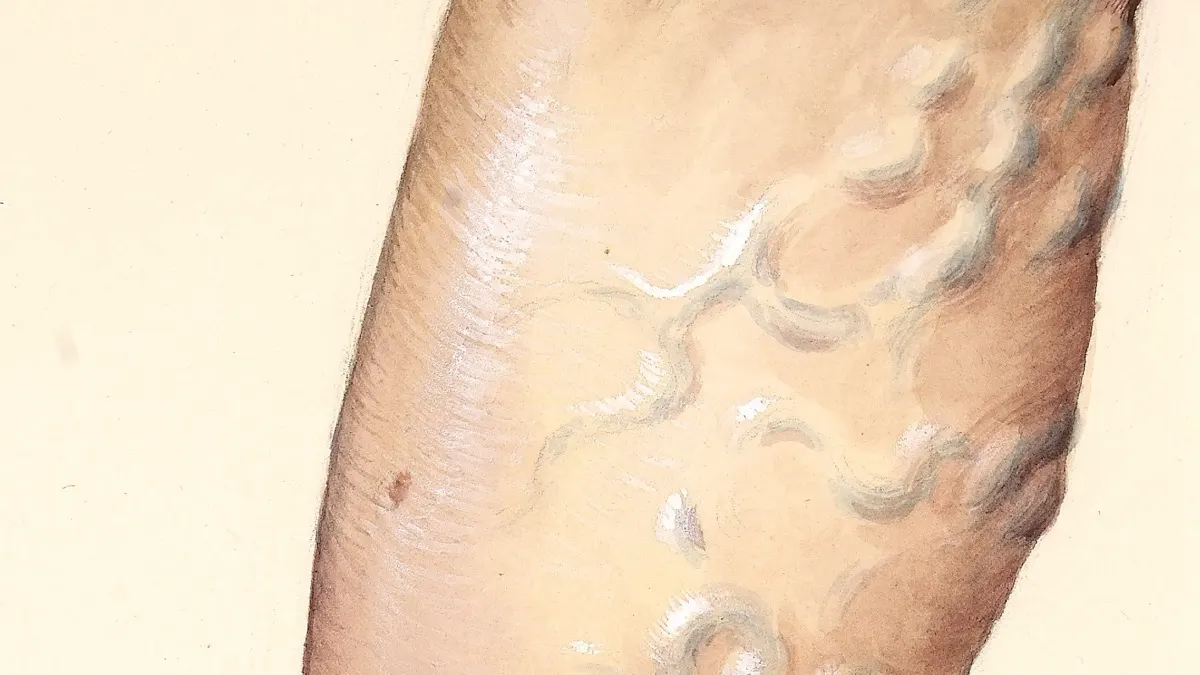
This is the grade where veins become visibly enlarged, raised and twisted, usually in the calf, behind the knee or on the inner thigh. A C2 leg can feel perfectly comfortable or can ache badly. If you are unsure what you are looking at, our guide to varicose veins, their symptoms and causes covers the basics.
For many people C2 is a stable stage. For others it is where the vein pressure begins to cause the problems that follow.
Stage C3: swelling
Swelling means fluid has built up in the tissues of the foot, ankle or lower leg. It is often worse at the end of the day and better after a night with the legs raised. Other conditions can cause swollen legs too (heart, kidney and some medicines), so a doctor will check that the swelling really comes from the veins.
Stage C4: skin changes
When high pressure inside the veins goes on for a long time, the skin near the ankle starts to change:
- Brown or purple discolouration (pigmentation)
- Dry, itchy, red, eczema-like patches
- Hard, tight, shiny skin above the ankle (lipodermatosclerosis)
- A ring of tiny veins around the ankle (corona phlebectatica)
Skin changes are a signal that the leg is under strain. This is the stage where specialists generally become more concerned, and national guidance recommends that people with skin changes caused by venous disease are assessed for treatment.
Stages C5 and C6: ulcers
A venous leg ulcer is an open sore on the lower leg, most often near the inner ankle, that is slow to heal. C5 describes a leg with a healed ulcer, and C6 describes one with an active ulcer.
Ulcers can take weeks or months to heal and may come back. They need proper wound care, compression therapy and a review of the underlying vein problem. Do not wait for a sore to “sort itself out”. See a doctor if a wound on your lower leg has not improved after a couple of weeks.
What decides which stage you are at?
The clinical stage is based on examination alone, but a duplex ultrasound adds the detail that guides treatment. It shows which veins are leaking, how severe the reflux is and whether the deep veins are healthy. Two people with the same stage can have very different scan findings, which is why the stage is only part of the picture.
What do the stages mean for treatment?
- C0 to C2 with mild symptoms: lifestyle changes and compression stockings are often the first step.
- Troublesome symptoms at any stage: treating the leaking vein may be recommended. See varicose vein treatments compared for the options.
- C3 to C6: assessment for treatment is usually advised, because treating the refluxing vein can reduce swelling, help skin recover and lower the chance of ulcers returning.
For a plain-English look at how the grades fit into a clinical assessment, this page on varicose veins stages is a useful second read. If you are not sure where you sit, our short vein symptom check is a starting point, but it does not replace a scan.
When to see a doctor
Book an assessment if you have any of these:
- Aching, heaviness or swelling in your legs most days
- Darkening, itching, eczema-like or hardened skin around the ankle
- A sore on your leg that is not healing
- A vein that has bled, even once
- Veins that are getting larger or more painful
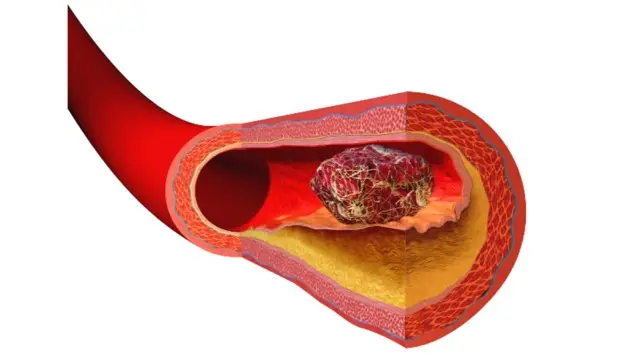
Seek urgent care for sudden swelling, pain, warmth or redness in one leg, which can be a blood clot. If this comes with breathlessness, chest pain or coughing up blood, call 995 or go to the nearest emergency department straight away.
To find the right kind of specialist, see how to find a vein specialist. If you meet a medical term you do not know, the glossary explains it.
This article is general information, not personal medical advice.
Frequently asked questions
How many stages of varicose veins are there?
The CEAP classification has seven clinical grades, C0 to C6. Varicose veins are grade C2, so the full range covers everything from having symptoms but no visible veins through to an open ulcer.
Do varicose veins always get worse?
Not always, and not at the same pace for everyone. Venous reflux tends to progress slowly in many people, but some stay stable for years. There is no reliable way to predict which path you will take, which is one reason an assessment is useful.
Can varicose veins go back to an earlier stage?
Treating the leaking vein can ease symptoms and allow swelling and some skin changes to settle. A healed ulcer stays classified as C5, because the classification records the history of the skin damage.
Which stage needs treatment?
Treatment is usually considered when symptoms affect daily life, or from the skin-change stage (C4) onward, when the risk of further damage is higher. Guidelines such as NICE CG168 recommend referral for people with troublesome symptoms or skin changes.
Sources and further reading
This article is general information, not personal medical advice. Please speak to a doctor about your own symptoms. How we create our content.