Restless leg syndrome is surprisingly common: many people have an uncomfortable urge to move their legs in the evening, and it can ruin a night’s sleep. This page explains what the condition is, what the symptoms and causes are, how it overlaps with vein problems and what may help. It is educational and cannot diagnose you.
Emergency signs. Restless legs are not an emergency, but other leg problems can be. Call 995 for a suddenly cold, pale or numb leg, or leg symptoms with chest pain, breathlessness or coughing up blood. See a doctor the same day for one leg that is swollen, painful and warm.
What is restless leg syndrome?
Restless legs syndrome (RLS, sometimes called Willis-Ekbom disease) is a condition of the nervous system. So what is RLS, in plain terms? It is a strong, often irresistible urge to move the legs, usually brought on by sitting or lying still and linked with unpleasant sensations. People who ask for the RLS meaning often find the name misleading: it is not simply fidgety legs, and it is not caused by anxiety. The sensations come from how the brain and nerves handle signals, and the brain chemical dopamine and iron levels in the brain are thought to play a part.
Restless leg syndrome symptoms
Doctors usually look for a typical pattern:
- An urge to move the legs, often with creeping, crawling, tingling, pulling, throbbing or aching sensations deep in the legs
- Symptoms start or worsen when resting, such as sitting, travelling or lying in bed
- Movement, such as walking or stretching, brings partial or complete relief while you keep moving
- Symptoms are worse in the evening or at night
Sometimes the arms are affected, and the sensations can be hard to describe. Many people also have jerking leg movements during sleep. Symptoms may come and go, and some people have them nightly.
Restless leg syndrome at night
Evening and night-time worsening is a hallmark. It explains why the main complaint is often poor sleep: trouble falling asleep, waking in the night and daytime tiredness, low mood or poor concentration. If you mainly wake with night pain, tightness or a sudden knot in the calf rather than an urge to move, that is more typical of leg cramps at night. Our guide to leg pain at night compares other night-time causes.
What causes restless legs?
For many people no cause is found, and it runs in families. Triggers and linked conditions include:
- Low iron levels (iron deficiency), a common and treatable link
- Pregnancy, especially in the last three months, which often settles after delivery
- Kidney disease, including people on dialysis
- Certain medicines, such as some for nausea, allergies, depression or psychosis. Do not stop a prescribed medicine on your own; discuss it with your doctor
- Caffeine, alcohol and nicotine, which can aggravate symptoms
- Nerve conditions such as peripheral neuropathy, diabetes and some other chronic illnesses
- Poor sleep itself, which can make symptoms worse
The restless leg syndrome causes are therefore a mix of body chemistry, genes and other health problems, which is why a doctor will check for treatable causes first.
Restless legs and varicose veins
RLS is a neurological condition, not a vein disease. However, studies have found that restless legs symptoms are more common in people with venous disease, and the two may share some features, such as night-time discomfort and relief with movement. It is not fully understood whether the link is direct, whether the veins and nerves interact, or whether the sensations are simply easy to confuse. Vein-related discomfort is usually described as heaviness, throbbing or aching that builds during the day and improves when you raise the legs, often with visible varicose veins or ankle swelling. RLS is more of a crawling or pulling urge that is relieved by moving.
If you have both RLS-like symptoms and signs of vein trouble, such as swelling, heavy legs, skin changes or visible veins, it may be worth having the veins assessed. A painless ultrasound can show whether there is chronic venous insufficiency. Treating a vein problem may help some people, but it cannot be promised to settle RLS, and RLS may need separate care. Our vein symptom check can help you decide.
Restless legs treatment: self-care that may help
How to stop restless legs immediately: moving is the most reliable short-term relief. Walk around, stretch the calves and thighs, or massage the legs. A warm bath or a warm or cool pack can help some people. Mentally absorbing tasks such as a puzzle or reading can distract you from the sensation.
For ongoing symptoms, these low-risk habits are a sensible first step in restless legs treatment:
- Regular, moderate exercise during the day; avoid very intense exercise late in the evening
- Consistent sleep routine: regular bedtime, a cool, dark room and no screens in bed
- Limit caffeine, alcohol and nicotine, especially in the afternoon and evening
- Stretching or yoga in the evening
- Review your medicines with a doctor or pharmacist
- Avoid sitting still for very long periods; take movement breaks when travelling
RLS treatment and whether there is a cure
There is usually no cure for long-term RLS, but symptoms can often be controlled. When asking about restless leg syndrome treatment or a restless leg syndrome cure, the key point is that treatment depends on the cause and severity. Doctors will usually check blood tests, including iron levels, and review medicines and other conditions. Some people need only lifestyle changes, others need medical treatment, and some need an underlying problem treated. Prescription treatment should be decided by a doctor, because some options can cause side effects or make symptoms worse over time. Do not use supplements or medicines on your own.
When to see a doctor
Call 995 immediately if a leg suddenly turns cold, pale, blue or numb, or if leg symptoms come with chest pain, breathlessness or coughing up blood.
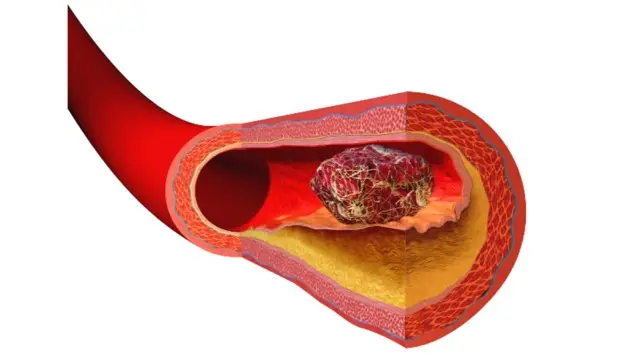
Seek care the same day if only one leg is swollen, painful, warm or red; this pattern is not typical of RLS and a clot needs to be ruled out. See blood clot in leg symptoms.
Book a visit soon if symptoms are frequent, disturb your sleep or daily life, began in pregnancy and are not improving, started after a new medicine, or come with numbness, weakness, swelling, visible veins or skin changes. Your GP can arrange blood tests and refer you to a neurologist, sleep or vein specialist as appropriate; see find a vein specialist. Unfamiliar terms are explained in the glossary.
This page is educational and does not replace personal medical advice.
Frequently asked questions
What is RLS?
RLS stands for restless legs syndrome (also called Willis-Ekbom disease). It is a common neurological sensory condition in which the legs feel uncomfortable at rest, creating a strong urge to move them. It tends to be worse in the evening and at night.
Is there a cure for restless leg syndrome?
There is usually no permanent cure for the common long-term form, but symptoms can often be reduced. If a cause such as low iron, a medicine or pregnancy is found, treating or addressing it may ease or resolve the symptoms. Your doctor decides what treatment suits you.
How can I stop restless legs immediately?
Moving usually helps: walk around, stretch your legs, or massage them. A warm bath, a warm or cool pack, or taking your mind off the sensation with a distraction can also give relief for a while. If symptoms are frequent, see a doctor rather than relying on quick fixes.
Can varicose veins cause restless legs?
Varicose veins do not cause RLS, but studies have found the two often occur together, and vein disease can cause similar aching, crawling or restless sensations. If you have both, treating a vein problem may help some people, but RLS may continue and needs its own assessment.
Is restless leg syndrome serious?
It is not usually dangerous, but it can badly disrupt sleep and mood. Some cases are linked with iron deficiency, kidney disease or nerve conditions, so a check is worthwhile if it is frequent.
Do restless legs mean a blood clot?
No. RLS affects both legs, causes sensations that ease with movement and does not usually cause swelling or redness. A clot usually affects one leg, with pain, swelling and warmth, and needs urgent care.
Sources and further reading
This article is general information, not personal medical advice. Please speak to a doctor about your own symptoms. How we create our content.