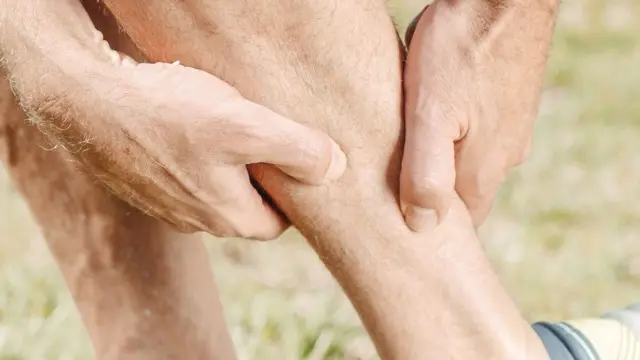
Leg pain when walking has several possible causes, and they are not equally serious. Sometimes it is simply tired muscles. Sometimes it is a vein problem, which is uncomfortable but rarely an emergency. And sometimes it is a sign that the arteries supplying the legs are narrowed, which needs medical attention. This page focuses on veins and explains how vein pain differs from the other types. It is educational and cannot diagnose you.
Emergency signs. Call 995 if a leg suddenly becomes cold, pale, blue, numb or very painful, or if you cannot move it. Also call 995 for leg pain with chest pain, breathlessness or coughing up blood. Get care the same day for one leg that is swollen, painful and warm.
Why walking brings out leg pain
Walking makes the calf and thigh muscles work harder, so they need more blood. If the blood supply cannot rise to meet demand, or if nerves or joints are irritated by the movement, pain appears. Walking also helps veins, because contracting calf muscles pump blood back toward the heart. That is why the pattern of pain, rather than the fact of pain, tells you most.
Vein-related leg pain and walking
Weak vein valves let blood pool in the lower legs. Typical features:
- An ache, heaviness, tightness or throbbing, often worse at the end of the day
- Pain that is worse with standing still or sitting and often eases with walking or raising the legs
- Swelling around the ankles, visible varicose veins or spider veins, itching or skin darkening
- Symptoms that are worse in hot weather
See also vein pain in the leg and chronic venous insufficiency. In a small number of people with severe venous blockage, walking can bring on a bursting or tight feeling in the leg that eases with rest and elevation. This is an unusual pattern that a doctor should assess. If vein symptoms sound familiar, try our vein symptom check.
Calf pain while walking: when arteries are the cause
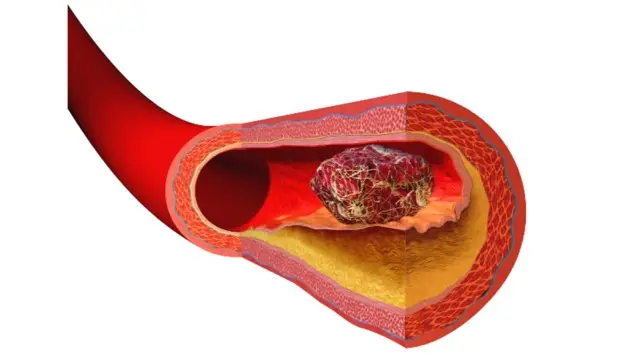
The leading concern with calf pain while walking is peripheral arterial disease (PAD), where fatty deposits narrow the arteries. The typical symptom is called claudication:
- Cramping, aching or tiredness in the calf (sometimes thigh or buttock) that starts after a fairly predictable distance
- Pain that eases within a few minutes of stopping, then returns when you walk again
- Often affects one leg more than the other
- May come with cold or pale feet, shiny skin, hair loss, weaker foot pulses or sores that heal slowly
Risk factors include smoking, diabetes, high blood pressure, high cholesterol, older age and family history. Claudication is a sign that circulation elsewhere, including the heart and brain, may also be affected, so a doctor will usually look at overall cardiovascular health. Do not self-diagnose or ignore it.
Sudden changes are an emergency. If a leg becomes suddenly cold, pale, mottled, numb, weak or severely painful, the artery may be blocked. Call 995.
Nerve and back causes
Narrowing of the spinal canal in the lower back can cause pain, tingling, heaviness or weakness in both legs when walking or standing, often easing when you sit or bend forward. This can look like claudication but behaves differently with posture. A sciatic nerve irritation can also cause burning or shooting pain down one leg.
Muscle, joint and foot causes
If you ask why your calves hurt after walking a lot, the simple answer is often muscle fatigue after more activity than usual, new or unsupportive shoes, hard pavement or poor stretching. The soreness is usually symmetric, tender to touch and improves in a day or two. Arthritis in the hip or knee, flat feet, shin splints and tendon problems also cause pain with walking. Our broader guide to leg pain causes covers the full list, and aching legs looks at heavy, tired legs.
Blood clots: a different pattern
A clot in a deep vein usually causes pain with swelling, warmth or redness, often in one calf, and the pain does not depend on how far you have walked. Because it can be dangerous, read about deep vein thrombosis and blood clot in leg symptoms, and seek same-day care if you notice these signs.
How to tell the types apart
| Feature | Veins | Arteries (claudication) | Nerve/spine | Muscle strain |
|---|---|---|---|---|
| Feels like | Ache, heaviness, throbbing | Cramp or tiredness | Burning, tingling, heaviness | Sore, tender |
| Comes on | Builds with standing or evening | After a set walking distance | With walking or standing | After unusual activity |
| Relief | Walking, raising legs | Stopping for a few minutes | Sitting or bending forward | Rest over days |
| Other signs | Visible veins, swelling | Cold feet, slow-healing sores | Numbness, back pain | Local tenderness |
Overlap is common, and some people have more than one problem, so this table is a guide only.
How doctors assess leg pain
A doctor will ask when the pain starts, how far you can walk, what eases it and what risk factors you have. They will examine your legs, check foot pulses and skin, and may measure blood pressure at the ankle and arm (ankle-brachial pressure index). A leg vein duplex ultrasound can show vein valve problems or clots; other tests may include blood tests, arterial scans or imaging of the spine. Treatment depends on the cause: lifestyle changes and supervised exercise for arterial disease, treatment of faulty veins, or care for a nerve or joint problem. Compression stockings help some vein problems but are not suitable if arterial flow is poor, so ask before using them; see the compression stockings guide.
When to see a doctor
Call 995 immediately if:
- A leg suddenly turns cold, pale, blue or numb, or becomes severely painful
- Leg pain comes with chest pain, breathlessness or coughing up blood
Seek care the same day if one leg is swollen, tender, warm or red, or if you have spreading redness with fever.
Book a visit soon if pain starts when you walk and eases when you stop, if it is getting worse or limiting how far you can go, or if you have cold feet, sores that will not heal, skin colour changes, visible veins or swelling. Mention any smoking, diabetes, high blood pressure or high cholesterol. Your GP can examine you and refer you if needed; see find a vein specialist. Unfamiliar terms are explained in the glossary.
This page is educational and does not replace personal medical advice.
Frequently asked questions
Why do my calves hurt after walking a lot?
Calves can hurt after a long walk because of tired muscles, tight footwear, poor conditioning or, less commonly, vein or artery problems. Soreness that settles within a day or two and follows an unusual amount of walking is usually muscular. Pain that is predictable, comes on after a set distance or is getting worse needs a check.
What is claudication?
Claudication is cramping, aching or tiredness in the calf, thigh or buttock that comes on with walking and eases after a few minutes of rest. It is a common symptom of narrowed leg arteries (peripheral arterial disease) and should be assessed by a doctor.
Can varicose veins cause pain when walking?
They can cause aching or heaviness in the legs, but this tends to be worse with standing still and often feels better once you walk. Pain that is clearly brought on by walking and relieved by stopping is more typical of an artery or nerve problem.
Is calf pain while walking a sign of a blood clot?
A clot usually causes pain with swelling, warmth or redness, often in one leg, and the pain does not depend on walking. Because a clot is serious, seek same-day care if you have a swollen, tender, warm calf.
Should I keep walking if my leg hurts?
Mild muscle soreness is fine to walk off. If the pain is sharp, severe or one-sided with swelling, stop and get advice. For suspected claudication, do not stop walking altogether but ask your doctor about a safe plan.
Sources and further reading
This article is general information, not personal medical advice. Please speak to a doctor about your own symptoms. How we create our content.