Leg ulcers can look similar at first glance, yet arterial vs venous ulcers are very different problems. One is caused by trouble returning blood to the heart through the veins, the other by trouble delivering blood to the leg through the arteries. The distinction matters because treatment that helps one type can harm the other. This page compares them side by side, for patients, carers and nurses. It is educational and cannot replace an examination.
Venous vs arterial ulcers: the basic difference
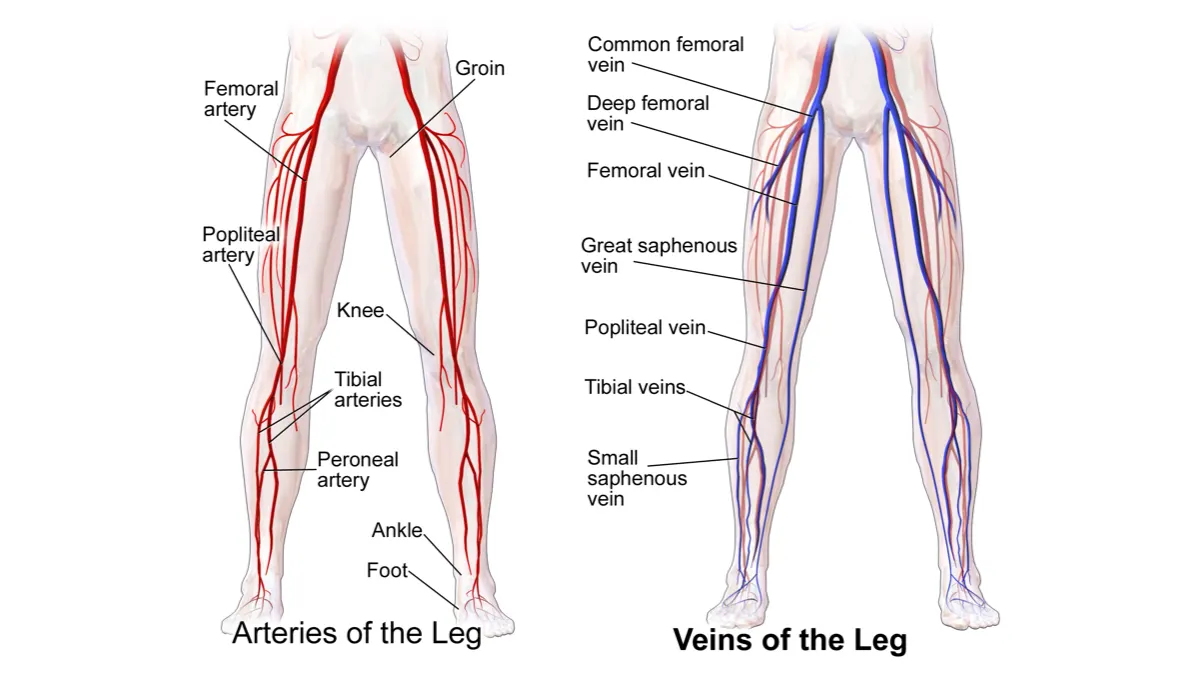
Blood travels away from the heart in arteries and comes back through veins.
- A venous ulcer develops when the leg veins fail to return blood properly. Blood pools, pressure rises in the lower leg, and the skin eventually breaks down. This is covered in detail in our guide to the venous leg ulcer.
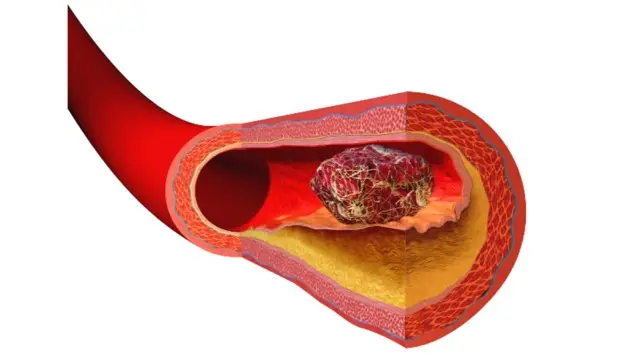
- An arterial ulcer develops when the arteries are narrowed or blocked, usually by fatty build-up (atherosclerosis), so too little oxygen-rich blood reaches the skin. Tissue is starved, and a small injury may fail to heal. This is part of peripheral arterial disease (PAD).
In short, venous ulcers are a problem of too much pressure and slow drainage, while arterial ulcers are a problem of too little supply.
Venous ulcers and arterial ulcers compared
| Feature | Venous ulcer | Arterial ulcer |
|---|---|---|
| Main cause | Venous reflux or blockage, high vein pressure | Narrowed or blocked arteries |
| Typical location | Inner lower leg, above the ankle (gaiter area) | Toes, heel, foot edges, outer shin, pressure points |
| Appearance | Shallow, irregular edges, red or yellow base | Deep, “punched-out” edges, pale or dry base |
| Wound moisture | Often moist, weeping | Often dry, little drainage |
| Surrounding skin | Brown staining, eczema, hard and shiny skin | Thin, shiny, hairless, pale or bluish skin |
| Leg swelling | Common | Not typical |
| Pain | Aching, heavy, often eased by raising the leg | Often severe, worse at night or raised, may ease when hanging down |
| Skin temperature | Warm | Cool |
| Foot pulses | Usually present | Often weak or absent |
| Common history | Varicose veins, previous DVT, long-standing swelling | Smoking, diabetes, high cholesterol or blood pressure, heart disease |
These are general patterns and not every person fits neatly. Real-life legs are messier than tables, which is one reason clinicians do tests rather than judging by sight alone.
Arterial vs venous stasis ulcer: what does “stasis” mean?
You may see the phrase arterial vs venous stasis ulcer online. “Stasis” refers to blood standing still, which is a vein problem. A venous stasis ulcer is simply a venous ulcer. There is no such thing as an “arterial stasis ulcer” in the same sense, since arterial ulcers are about reduced supply, not pooling. So when comparing the two, the more accurate pairing is venous (stasis) ulcers versus arterial (ischaemic) ulcers.
Venous ulcer vs arterial ulcer: typical symptoms
Venous ulcer symptoms often develop gradually after months or years of swollen ankles, aching legs and skin changes. The sore sits in an area of brown, itchy or scaly skin. It oozes, the leg feels heavy, and raising the leg usually helps. See our pages on chronic venous insufficiency and varicose veins for the background.
Arterial ulcer symptoms often come with a history of leg cramps when walking that ease with rest (claudication). Over time the foot may feel cold, look pale or bluish, and lose hair. The ulcer is often small but deep and very painful, especially at night in bed. People with diabetes may feel less pain because of nerve damage, so ulcers can go unnoticed.
Why the difference matters: compression
The main practical reason to tell the two apart is compression. Firm compression bandages or stockings are the cornerstone of venous ulcer care, because they reduce swelling and venous pressure. But compression squeezes the leg, and if the arteries are already narrowed, strong pressure can reduce the remaining blood flow and cause tissue damage.
For that reason, nurses and doctors commonly check the pulses and measure ankle and arm blood pressures (the ankle-brachial pressure index, ABPI) or use similar tests before starting strong compression. NICE guidance on peripheral arterial disease (CG147) and the NHS describe how reduced blood supply is assessed. Do not apply tight bandages or stockings to a leg ulcer yourself. See our compression stockings guide for safe use in general, and note that ulcer care needs professional assessment first.
Mixed arterial and venous ulcers
Some people, particularly older adults and people with diabetes, have both vein disease and artery disease. A mixed ulcer may have features of each, for example swelling and skin staining with weak pulses. In this situation, compression may need to be reduced in strength, applied under specialist supervision, or avoided until blood flow is improved. Referral to a vascular service is common.
Other leg ulcers that can look similar
Arterial and venous ulcers are not the only causes of leg sores. Others include:
- Diabetic foot ulcers, which often develop on pressure points of the sole because of nerve damage.
- Pressure ulcers in people with limited mobility.
- Inflammatory or autoimmune conditions, such as vasculitis, which can cause painful ulcers.
- Infections and skin cancers, which can look like non-healing sores.
A sore that does not heal, looks unusual or keeps returning should be seen by a doctor so the cause can be identified.
How ulcers are assessed
Whichever type you may have, assessment usually involves:
- A history of symptoms, risk factors, previous clots and medications.
- Examining the leg, skin, pulses and the wound itself.
- Measuring ankle and arm blood pressures to calculate the ABPI, sometimes with additional arterial scans.
- A duplex ultrasound of the veins when a venous cause is suspected. NICE CG168 advises referring people with a venous leg ulcer for assessment of their veins.
- Tests for infection, diabetes or other causes when needed.
Treatment then follows the cause. For veins, this may mean compression plus treatment of the faulty veins, as described in our venous ulcer treatment page. For arteries, it focuses on improving blood flow, controlling risk factors such as smoking, blood pressure, cholesterol and diabetes, and sometimes procedures or surgery to open or bypass blocked arteries.
For carers and nurses: practical tips
- Note where the ulcer is, how deep it looks, how much fluid it produces and what the surrounding skin is like.
- Feel the temperature of the foot and check capillary refill and pulses if trained to do so.
- Ask about pain at night, pain on walking and pain when the leg is raised or lowered.
- Do not start strong compression before arterial supply has been checked by a suitably trained professional.
- Seek advice early if an ulcer is deep, dry, black at the edges or on the toes or heel.
When to see a doctor
See a doctor if you have a leg or foot sore that has not started to heal within about two weeks, or any wound with a pale, cold or painful foot, black or dead-looking tissue, or severe pain at night.
Seek urgent medical care, and call 995 if severe, for:
- a sudden cold, pale, numb or very painful foot or leg;
- a rapidly spreading redness, pus, fever or feeling very unwell with a leg wound;
- sudden chest pain, breathlessness or coughing blood;
- a swollen, hot, painful leg that could be a clot.
If your legs are swollen, with brown skin changes or varicose veins, it is worth acting before an ulcer forms. Our vein symptom check can help you sort your symptoms, and our page on finding a vein specialist explains what to look for. For prevention basics, see how to prevent varicose veins.
Frequently asked questions
What is the main difference between arterial and venous ulcers?
Venous ulcers arise when veins cannot return blood well, causing swelling and pressure in the lower leg. Arterial ulcers arise when the arteries cannot deliver enough blood, so tissue is starved of oxygen. The causes, appearance and treatment differ.
Which is more painful, an arterial or a venous ulcer?
Arterial ulcers are typically more painful, especially at night or when the leg is raised, and the pain may ease when the leg hangs down. Venous ulcers tend to ache and are often relieved by raising the leg. Pain levels vary, so this is only a rough guide.
Can you have both a venous and an arterial ulcer?
Yes. A mixed ulcer has features of both and is not rare in older people. Careful assessment decides how much compression is safe.
Is a venous stasis ulcer arterial?
No. A venous stasis ulcer is a venous ulcer, caused by stagnant, high-pressure blood in the veins. It is not caused by narrowed arteries, though arterial disease can coexist.
Sources and further reading
This article is general information, not personal medical advice. Please speak to a doctor about your own symptoms. How we create our content.